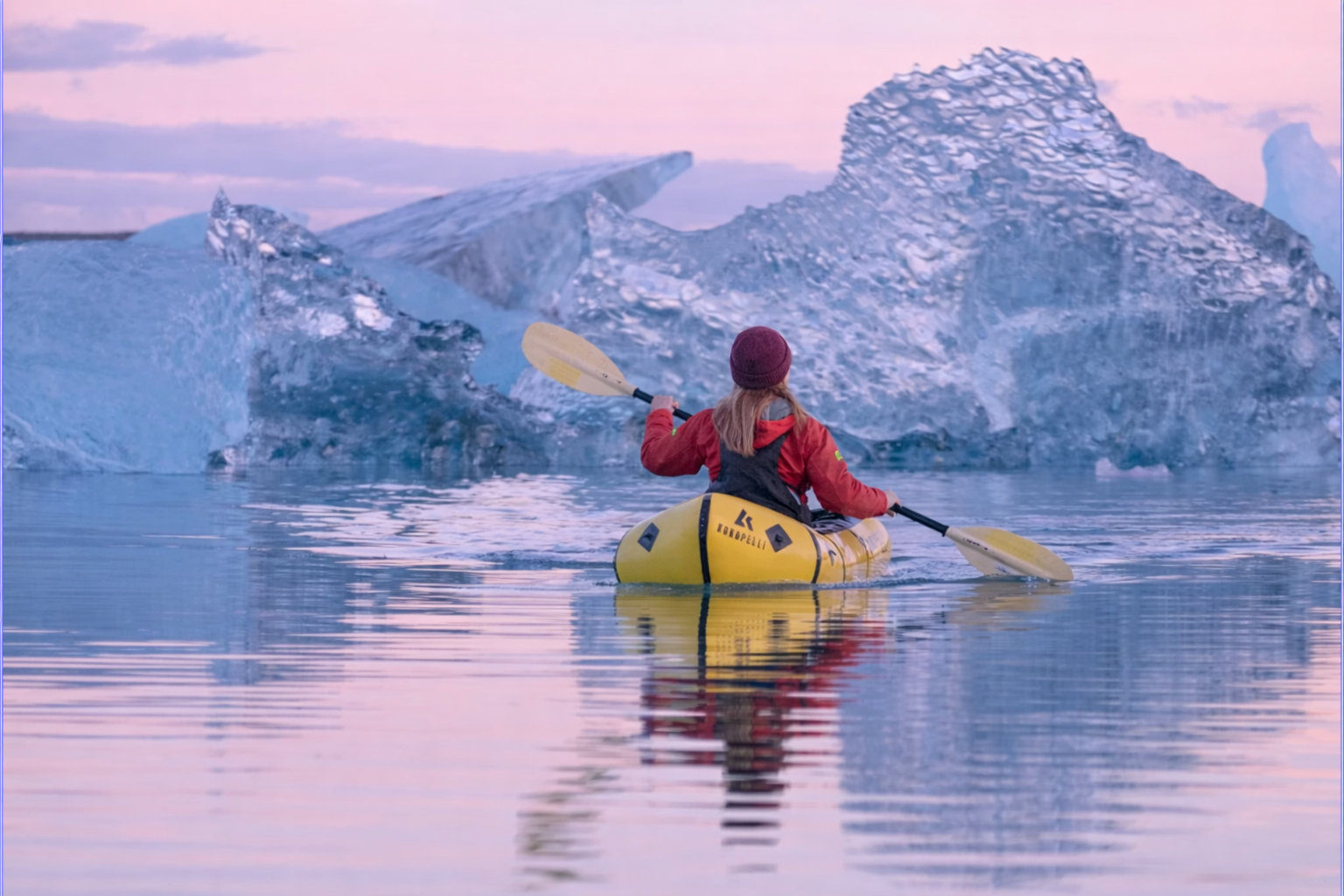
Where to go on an Icelandic summer trip - and the tours that make each place easy to reach.
Summer is the easiest and most rewarding time to explore Iceland. The Ring Road is clear, daylight stretches close to 24 hours, mountain roads into the Highlands finally open, and almost every tour and boat trip is running. The hardest part is not finding things to do - it is choosing between them.
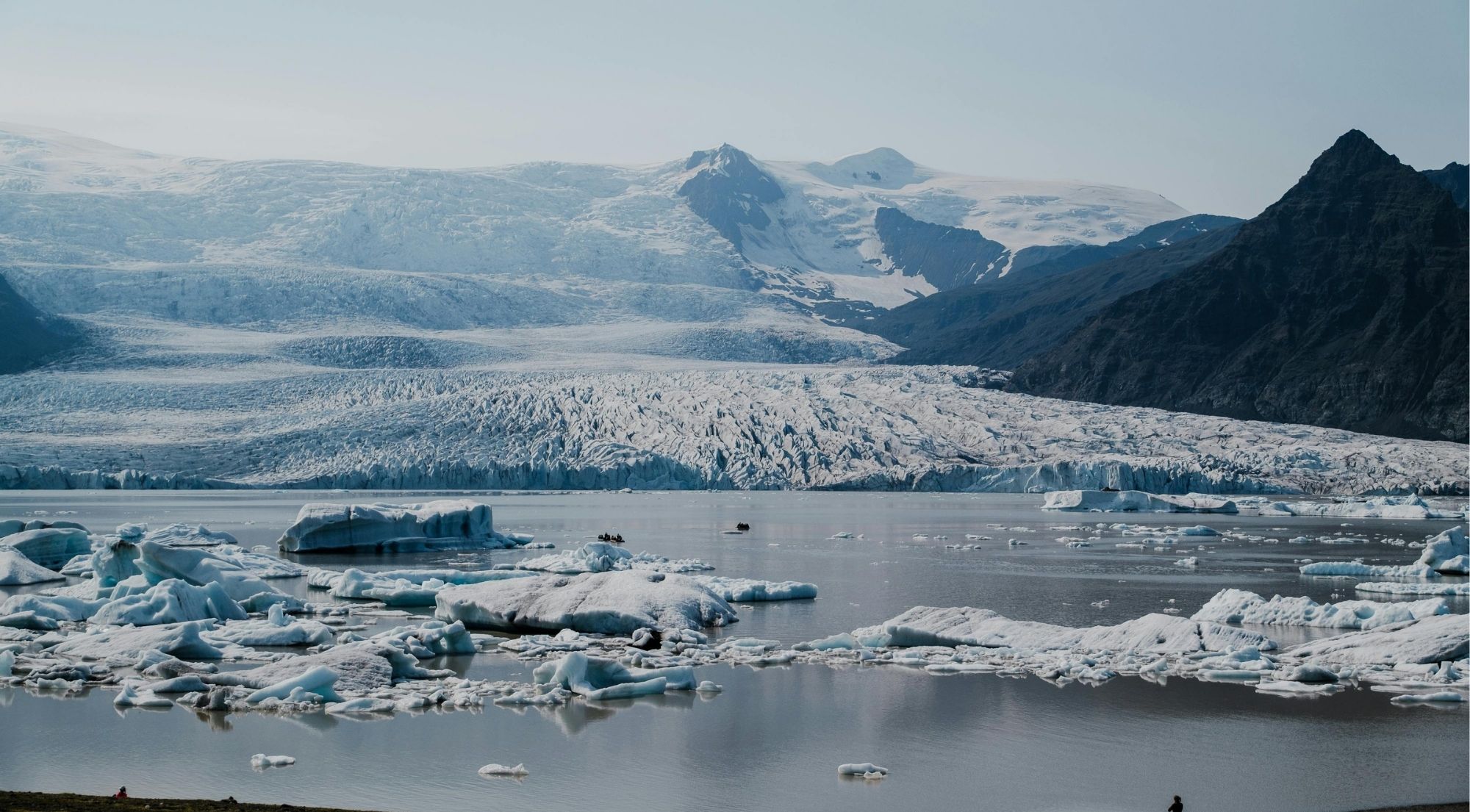
Fjallsárlón Glacier Lagoon is one unforgettable stop on that map, tucked into the southeast beside its famous neighbour Jökulsárlón. But it is just one piece of a much bigger country. Below is a practical rundown of Iceland's most popular summer destinations, what makes each one worth your time, and a relevant, highly rated tour for every region so you can turn the list into an actual itinerary.
If this is your first trip, these five destinations form the backbone of almost every summer itinerary. They are close to Reykjavík, well served by tours, and deliver Iceland's signature scenery without long detours.
The world's northernmost capital is the natural base for first-time visitors. It is compact and walkable, with the landmark Hallgrímskirkja church, the mirrored Harpa concert hall, colourful streets of cafés and restaurants, and a string of excellent museums covering Viking history, art, and the country's geology.
Reykjavík is also Iceland's day-trip launchpad - nearly every Golden Circle, South Coast, and Highland tour collects you here. Before heading inland, it is worth spending time on the Old Harbour, where whale-watching boats set out into Faxaflói Bay to look for minke and humpback whales, dolphins, and porpoises.
The Golden Circle is the classic Iceland route and the single most popular day trip from Reykjavík. The loop links three landmarks: Þingvellir National Park, where you walk through the rift valley between the North American and Eurasian tectonic plates and stand on the site of the world's oldest parliament; the Geysir geothermal area, where the Strokkur spout erupts every few minutes; and Gullfoss, a thunderous two-tiered waterfall.
It is easy to complete in a single day, and many tours add extras such as the Kerið volcanic crater or a soak in a geothermal pool. It is the perfect introduction to Iceland's mix of geology and raw power.
The South Coast is one of the most photogenic stretches of Iceland and an easy continuation of any Reykjavík trip. The headline stops come quickly: Seljalandsfoss, the waterfall you can walk behind; the powerful Skógafoss; the black basalt columns and crashing surf of Reynisfjara beach; the village of Vík; and the Sólheimajökull glacier tongue.
Push further east and the South Coast eventually delivers you to the glacier lagoons - Fjallsárlón and Jökulsárlón. Many summer tours combine the Golden Circle and South Coast into a single packed day or a two-day route.
A major highlight of southeast Iceland, Jökulsárlón is the country's deepest lake, filled with icebergs that have calved from the Breiðamerkurjökull glacier and drift slowly toward the sea. Seals patrol the water, and across the road, Diamond Beach scatters glittering chunks of ice across black volcanic sand.
It sits far from Reykjavík - roughly 370 km - so it works best as part of a two or three-day South Coast trip rather than a rushed single-day dash. And because the quieter Fjallsárlón lagoon is only about 10 minutes away, it is well worth visiting both while you are in the area.
Iceland's geothermal spas are a destination in their own right. The Blue Lagoon, with its milky, silica-rich water, sits close to Keflavík Airport, which makes it a popular first or last stop - many travellers visit straight after landing or before a departing flight. Booking ahead is essential, as entry slots sell out.
Sky Lagoon is the newer option, perched on the coast just minutes from central Reykjavík. Its seven-step bathing ritual and ocean-facing infinity edge make it the easier choice to slot into a city stay without a long transfer.
With a week or more, these five destinations reward travellers willing to go beyond the classic loop - more remote, more adventurous, and often far quieter.
Snæfellsnes is often called "Iceland in miniature" because it packs so much of the country into one peninsula: lava fields, sea cliffs, black-sand coves, mountains, fishing villages, and the glacier-capped Snæfellsjökull volcano that crowns its tip. The most photographed sight is Kirkjufell, the arrowhead-shaped mountain beside a tumbling waterfall.
It makes an excellent long day trip from Reykjavík, though an overnight lets you slow down and catch the villages of Arnarstapi and the black church at Búðir in better light.
Landmannalaugar is one of Iceland's great summer-only destinations, deep in the Fjallabak Highlands. It is famous for rhyolite mountains streaked in red, ochre, and green, steaming geothermal ground, lava fields, and a natural hot spring you can soak in after a hike. It is also the starting point of the celebrated Laugavegur trek.
It is more adventurous than the Golden Circle or South Coast and harder to reach: you will need a proper 4x4 cleared for F-roads, a Highland bus, or a guided tour. The reward is some of the wildest scenery in the country.
The Westman Islands (Vestmannaeyjar) are at their best in summer, reached by a short ferry from the South Coast. The archipelago is known for its enormous puffin colonies - among the largest in the world - along with dramatic sea cliffs and volcanic landscapes. The 1973 Eldfell eruption that buried part of the main town is told vividly at the Eldheimar museum.
It works well as a day trip or an overnight from the South Coast, and the quieter, island pace is a welcome change from the mainland tour route.
North Iceland is excellent if you have more time or are driving the full Ring Road. Akureyri, the lively "capital of the north", makes a good base. Nearby, Lake Mývatn is ringed with geothermal landscapes, bubbling mud pots, and lava formations; Húsavík is Iceland's whale-watching capital; and Dettifoss is one of the most powerful waterfalls in Europe.
Together with Goðafoss and the Ásbyrgi canyon, these sights form the Diamond Circle - the north's answer to the Golden Circle, and reason enough to extend a trip beyond the south.
The Westfjords are for travellers who want a slower, more remote summer trip. This is Iceland at its most dramatic and least crowded: deep fjords, empty roads, the towering Látrabjarg bird cliffs alive with puffins, the cascading Dynjandi waterfall, and hidden beaches like Rauðisandur.
It is not ideal for a first short trip - distances are long and many visitors run out of days - but with enough time, the Westfjords are among the most memorable corners of the whole country.
You cannot do everything in one visit - and trying to is the most common mistake. Use your number of days to decide how far to range from Reykjavík.
Stick to the essentials: Reykjavík, the Golden Circle, the South Coast, and a soak at the Blue Lagoon or Sky Lagoon. This gives you Iceland's signature scenery with minimal driving and the best weather odds.
Keep the classics and add the Snæfellsnes Peninsula, push east to Jökulsárlón and Fjallsárlón with a night or two on the South Coast, and consider a day on the Westman Islands.
Consider the full Ring Road. Beyond the south, add North Iceland - Akureyri, Mývatn, and the Diamond Circle - and the quieter Eastfjords. With this much time you can also weigh up a Highland detour to Landmannalaugar or a slow loop through the Westfjords.
The golden rule: match your route to your days. Fewer destinations done well always beats a checklist rushed - especially in a country where the weather, not the map, sets the pace.
If your summer route reaches the southeast, do not stop at just one glacier lagoon. Jökulsárlón is the famous icon, but Fjallsárlón - only 10 minutes away - offers the same drifting icebergs in a quieter, more intimate setting, with the glacier wall close to shore.