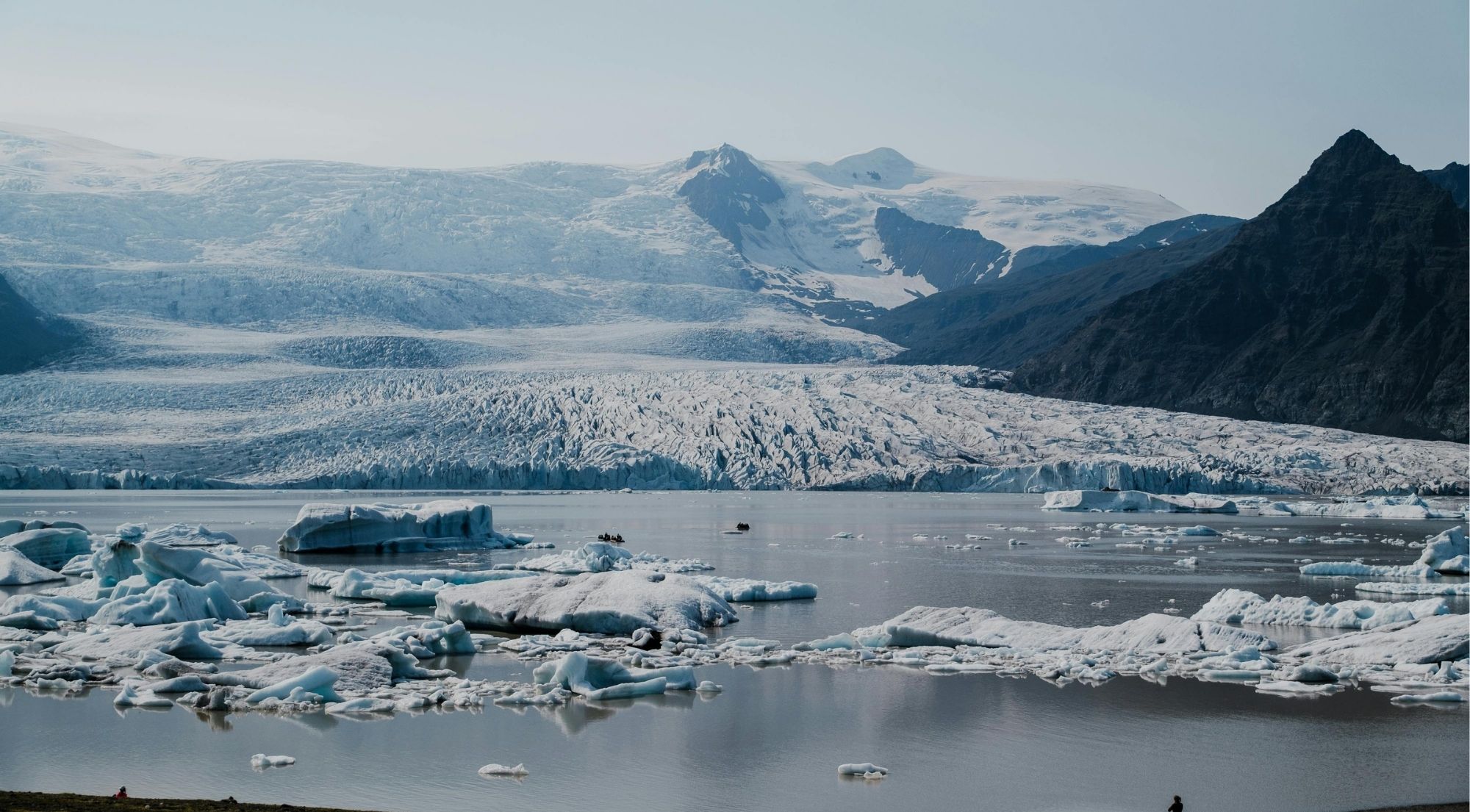
Sleep under the Northern Lights at Iceland's glacier lagoon
The Fjallsárlón Aurora Huts are floating glass-walled glamping huts for two, moored on the glacier lagoon — not a hotel room with a view, but a night spent among the icebergs with Fjallsjökull and the Vatnajökull ice cap filling the windows. They are run by the lagoon's operator, Fjallsárlón Iceberg Boat Tours, in two editions: a summer overnight adventure (June–September, 170,000 ISK per hut) reached by Zodiac, and a winter edition (October–November and March–May, 105,000 ISK per hut) positioned over the frozen lagoon for northern-lights nights.
The huts are booked directly with the operator, and there are only a handful of them, so winter dates go early. If you can't get one, the widget above shows the Vatnajökull ice cave tour that departs from the same reception — the best daytime pairing for an aurora night on this stretch of coast.
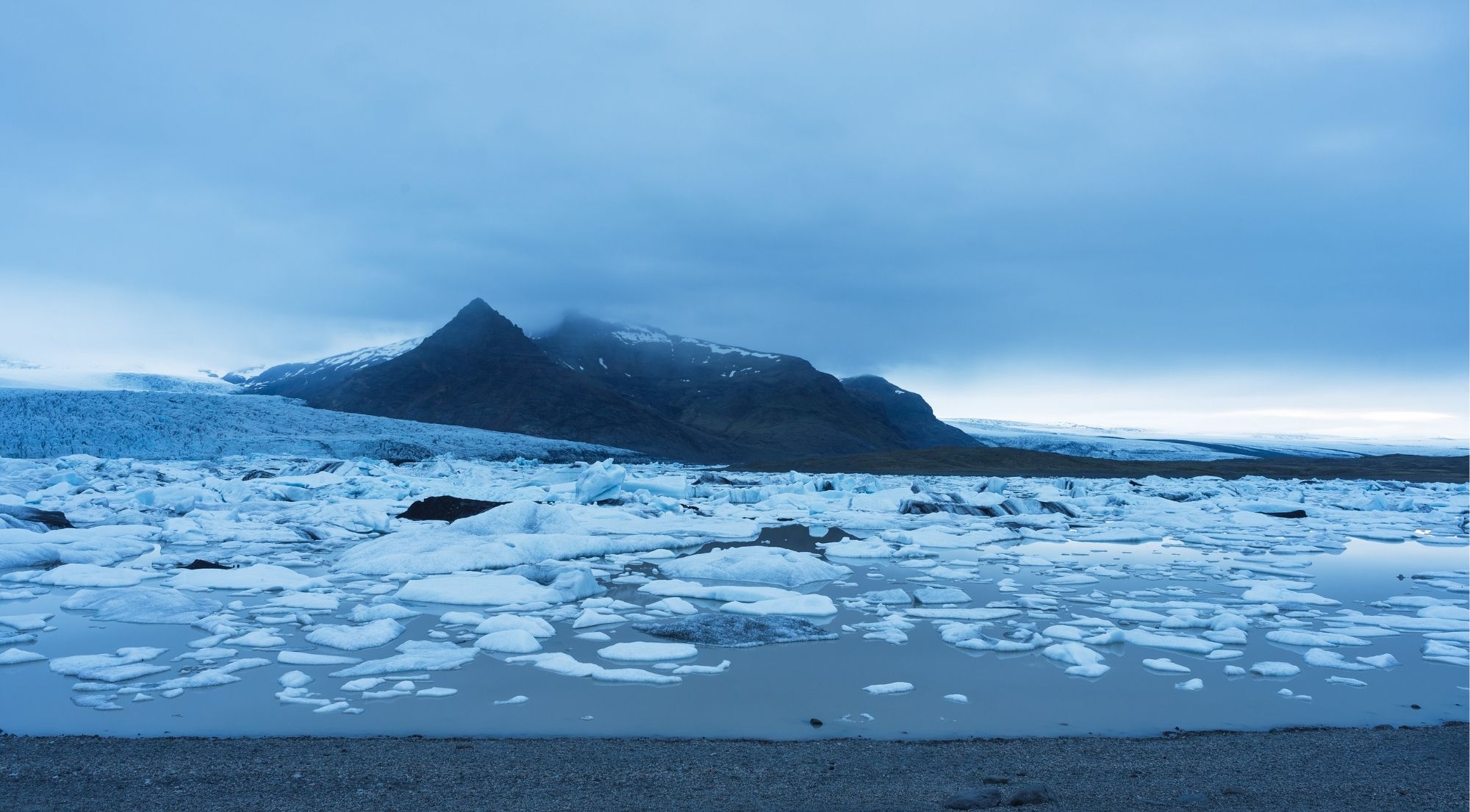
The Aurora Hut — the operator also calls it the "igloo boat" — is a small, modern, transportable cabin that can be moved across water, ice or snow without leaving a mark. In summer it floats on the lagoon among the icebergs; in the colder months it sits over the frozen lagoon facing Fjallsjökull. Either way there is no road, no other guest and no light pollution between you and the sky.
The overnight adventure runs about 15 hours. You check in at the Fjallsárlón reception 30 minutes before departure, then a Zodiac takes you across the lagoon, past the icebergs, to your floating hut. June and July give you the midnight sun; August and September bring twilight, and from mid-August through September the northern lights are possible above the glacier while you are still enjoying summer temperatures. In the morning the boat collects you.
The winter huts are positioned overlooking the frozen lagoon and Fjallsjökull. This is the northern-lights edition: no midnight sun, long dark nights, and total silence. Winter check-in is at Frost Restaurant. Note the gap — the huts do not operate from December to February, the darkest and stormiest months, so the aurora windows are autumn (October–November) and late winter into spring (March–May).
Important: the northern lights are never guaranteed. You need a clear sky and some solar activity, and the huts are booked per date, not per forecast. Treat the aurora as a bonus on top of a night that is remarkable anyway, and read our guide to the best time to see the northern lights in Iceland before choosing dates.
The Fjallsárlón Aurora Hut sits at the heart of Iceland's southeast glacier country. While you're here, blue ice caves in Vatnajökull, Zodiac boat tours on the glacier lagoon, ice floating among icebergs, and a visit to Jökulsárlón and Diamond Beach are all within easy reach. In winter, the south coast is also one of Iceland's best places for northern lights viewing.
Fjallsárlón is located far from major towns and cities. The nearest significant light source is Höfn, 80 km away. This darkness allows even faint aurora displays to be visible.
Photographing the Northern Lights is about more than just the aurora—you need an interesting foreground. Fjallsárlón provides icebergs and the glacier ice cliff, creating compositions that stand out from typical aurora photos.
South Iceland typically has better weather than the north during winter. The Aurora Hut also provides shelter—you can watch from inside when it's too cold or windy outside, then venture out when conditions improve.
While aurora bus tours pack dozens of tourists into popular spots, the Aurora Hut keeps group sizes small and exclusive, ensuring an intimate experience without crowds.
Prices are the operator's published 2026 rates in Icelandic króna and are per hut, not per person — roughly $760 and $1,230 at typical exchange rates. Check the live price when you book.
The huts are sold directly by the operator at fjallsarlon.is (they are not on GetYourGuide). Capacity is a few huts per night, so book weeks to months ahead for October–November and for September weekends. Arrive 30 minutes before the stated departure: summer check-in is at the Fjallsárlón reception by the car park, winter check-in is inside Frost Restaurant.
Tours at Fjallsárlón run in most weather but can be cancelled by the operator for safety, in which case you are rebooked or refunded. A no-show — not arriving by departure time — is non-refundable. There is no refund for a cloudy sky, so choose dates in the darker months and give yourself a second night nearby as a fallback.
If the Aurora Hut isn't right for you, Fjallsárlón still offers excellent Northern Lights viewing from the parking area and Frost Restaurant area during winter evenings. The lagoon's remote location and dark skies make it a great stop for aurora hunters traveling the Ring Road.
If you prefer traditional lodging while still being close to Fjallsárlón for aurora viewing:
The practical questions people ask before booking a night on the lagoon.
The winter edition (October–November and March–May) is 105,000 ISK per hut for two people. The summer overnight adventure (June–September) is 170,000 ISK per hut for two, including the Zodiac transfer across the lagoon.
Yes, when the sky is clear and dark. The huts have glass walls and a glass ceiling, and Fjallsárlón has no light pollution. The best odds are October–November and March; the summer edition can also see auroras from mid-August through September. Nothing is guaranteed.
Each hut has a composting toilet, a small kitchenette, heating, electricity and Wi-Fi. There is no shower in the huts or anywhere at Fjallsárlón.
Two. Each hut has one double bed, so it suits couples or two friends. Larger groups book several huts.
Directly with the operator, Fjallsárlón Iceberg Boat Tours, at fjallsarlon.is. The huts are not listed on GetYourGuide or other booking platforms. Arrive 30 minutes before departure — at the reception in summer, at Frost Restaurant in winter.
Winter is peak season for blue ice caves. Combine aurora hunting with glacier exploration.
Explore Ice CavesLearn why Fjallsárlón offers a more intimate experience than Jökulsárlón.
Read Comparison