Things to Do in Iceland

Glaciers, lagoons, ice caves, waterfalls, northern lights — and where to start.

Iceland's Top Experiences

Iceland packs an astonishing range of experiences into one small island: glaciers and volcanoes, iceberg-filled lagoons, waterfalls, black-sand beaches, and the northern lights. This guide rounds up the best things to do in Iceland and points you toward in-depth guides for each — with a natural focus on the glacier country of the southeast, where Fjallsárlón and Jökulsárlón are based.

Whether you have four days or ten, Iceland rewards planning. The south coast between Reykjavík and the glacier lagoons is the most accessible stretch and packs in the most variety. Further afield, the Ring Road loops the whole island past fjords, waterfalls, and geothermal landscapes.

The Top Things to Do in Iceland

1. Take a glacier lagoon boat tour

Cruise among floating icebergs at Fjallsárlón and Jökulsárlón, the two glacier lagoons on the south coast. Zodiac tours at Fjallsárlón bring you right up toward the glacier wall in small groups; Jökulsárlón offers amphibious boats, zodiacs, and kayaking on a larger scale. See our glacier lagoon boat tours guide and Jökulsárlón guide.

The most popular guided day tour from Reykjavík — combining Jökulsárlón, Diamond Beach, and Iceland's south-coast highlights:

Powered by GetYourGuide

2. Explore a blue ice cave

In winter (November to March), guided tours enter the glowing blue caves inside Vatnajökull, one of Europe's largest glaciers. The ice is ancient, compressed over centuries, lit from within by filtered daylight. A licensed guide is essential — never attempt ice caves alone. See our Ice Caves in Iceland guide.

The Original Ice Cave Tour at Vatnajökull is one of the park's most booked winter experiences:

Check availability & prices

3. Chase the northern lights

From late September to early April, the aurora borealis dances over Iceland's dark countryside. The glacier-lagoon region offers dramatic backdrops with almost no light pollution. See our Best Time to See the Northern Lights guide.

4. Hike on a glacier

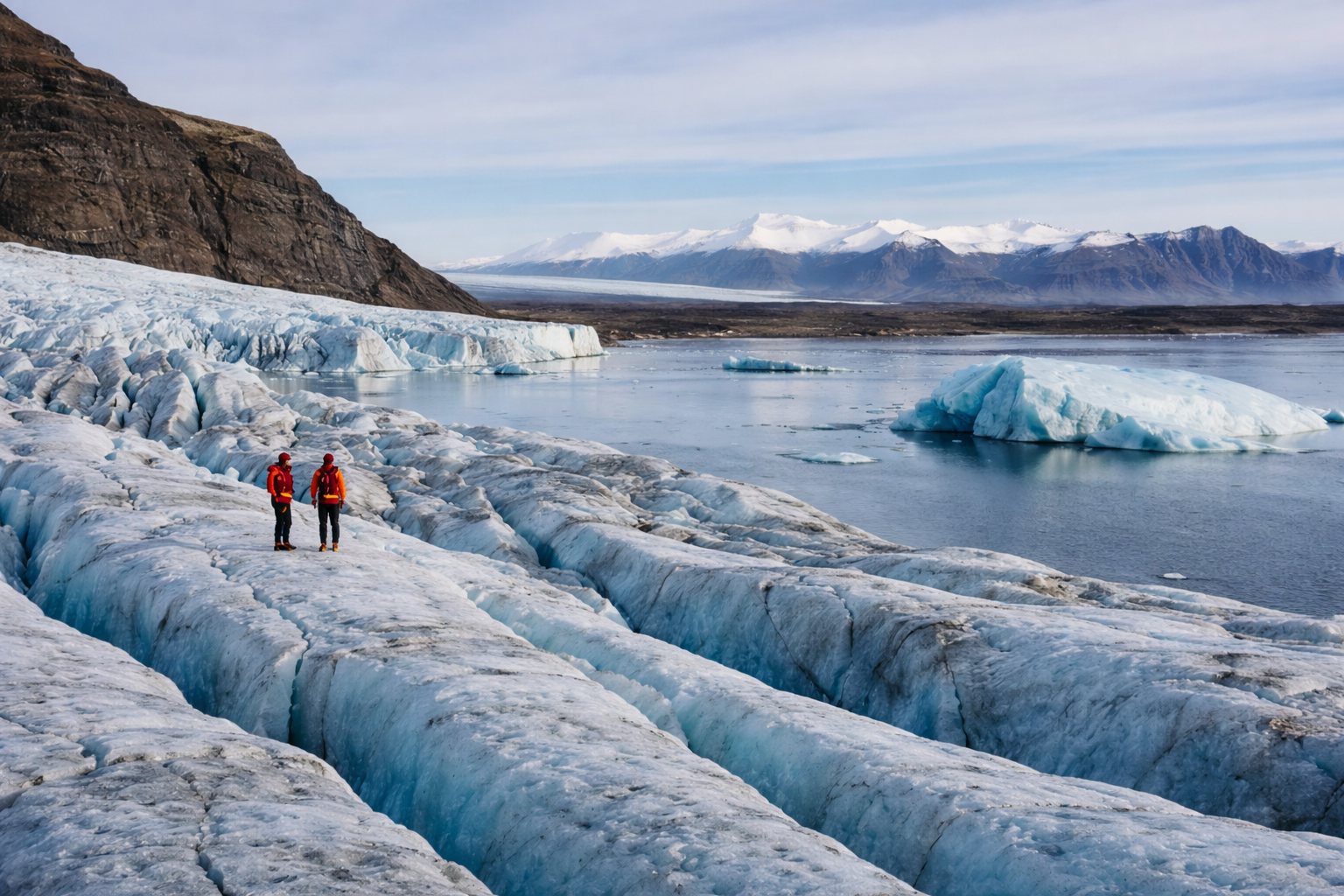
Rope up with crampons and a licensed guide to walk on the ice cap itself, past crevasses and blue ice formations. Routes from Skaftafell and the Jökulsárlón area suit most fitness levels on the easier options. See our Ice Cave & Glacier Hike guide for what to expect.

5. Drive the Ring Road

Iceland's Route 1 loops the whole island past waterfalls, fjords, glaciers, and geothermal areas. The classic itinerary is 7–10 days, though the most dramatic stretch — the south coast between Reykjavík and the glacier lagoons — is doable in a long weekend.

6. Discover the South Coast

Waterfalls (Seljalandsfoss, Skógafoss), black-sand beaches (Reynisfjara near Vík), glaciers, and the famous lagoons line Iceland's most popular route. It is the most efficient way to see iconic Iceland scenery in a short trip.
Worth adding to your Iceland itinerary

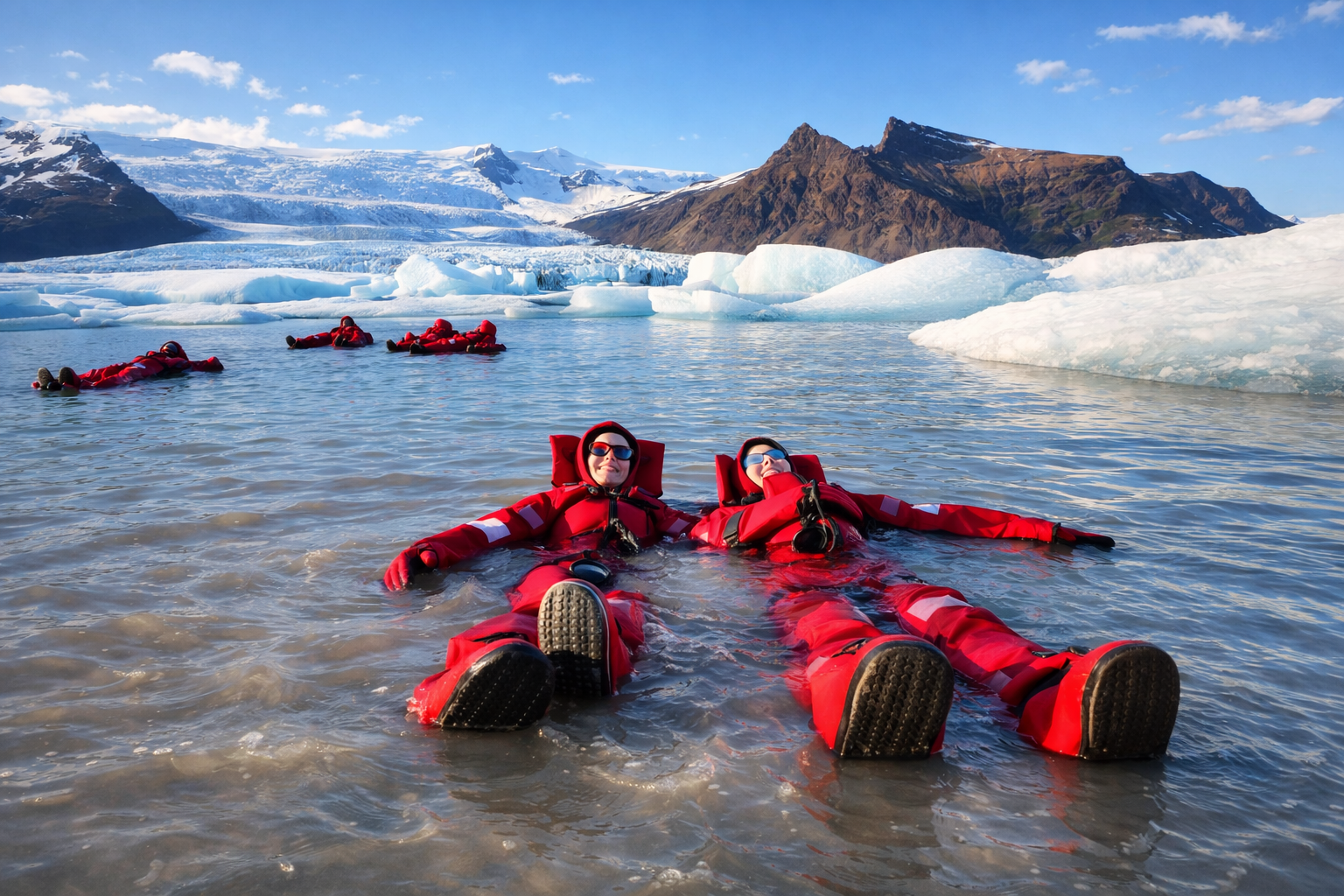
Iceland's south coast and glacier country reward travelers who plan even one or two extra stops. Fjallsárlón and Jökulsárlón glacier lagoons, blue ice cave tours inside Vatnajökull, glacier hikes near Skaftafell, and Diamond Beach can all be layered into a south-coast itinerary. In winter, northern lights excursions run from Reykjavík on clear nights. Multi-day South Coast tours, Ring Road packages, and Golden Circle day trips are also popular ways to see more of the island without the logistics of self-driving. Browse what's available below.

What to See in Iceland: Iconic Sights

Iceland's most photographed and visited sights are spread across the island, but many of the best can be reached on a south-coast itinerary:

Best Places to Visit in Iceland by Region

Southeast (glacier country)

Vatnajökull National Park, Fjallsárlón, Jökulsárlón, Diamond Beach, ice caves, Skaftafell. This is the heart of Iceland's ice landscapes. Vatnajökull National Park guide »

South Coast

Waterfalls, black beaches, and easy Ring Road access. The most popular driving route in Iceland and the best way to see maximum scenery in minimum time.

Reykjavík & Golden Circle

Culture, hot springs, and the classic day-trip loop. Good base for South Coast day tours and for travelers with limited time.

North (Akureyri & Mývatn)

Whale watching, geothermal areas, waterfalls. Best reached with 7 or more days and a willingness to drive or fly north.

Westfjords & Highlands

Remote, wild, and best in summer. Worth the detour if you have time and are drawn to Iceland's least-visited landscapes.

Things to Do in Iceland by Season

Summer (Jun–Aug)

Glacier lagoon boat tours, glacier hikes, Ring Road, midnight sun, Skaftafell hiking. Peak season — the widest range of activities and the longest days.

Winter (Nov–Mar)

Blue ice cave tours, northern lights, snowy landscapes, glacier hikes. Short days but dramatic, and far fewer crowds than in summer.

Shoulder (May, Sep)

A bit of everything with fewer crowds and lower prices. May sees the start of boat tour season; September catches the last of the summer warmth with early aurora potential.

Match your trip to the season with our Best Time to Visit Iceland guide.

Frequently Asked Questions

Common questions from travelers planning their first — or next — trip to Iceland.

What is the number-one thing to do in Iceland?

It is hard to beat a glacier lagoon boat tour among the icebergs in summer — particularly at Fjallsárlón for intimacy or Jökulsárlón for scale. In winter, a guided blue ice cave tour inside Vatnajökull is Iceland's top experience.

What should first-time visitors to Iceland prioritize?

The South Coast and glacier lagoons deliver the most iconic Iceland scenery in the least amount of driving. Fjallsárlón and Jökulsárlón are the highlights, with Diamond Beach, Seljalandsfoss, and Skógafoss rounding out the route.

How many days do you need in Iceland?

A focused south-coast trip works in 4–5 days; the full Ring Road needs 7–10 days. If you have only 2–3 days, base yourself near Reykjavík and take a guided South Coast day tour to the glacier lagoons.

What can you do in Iceland in winter?

Plenty: blue ice cave tours inside Vatnajökull, northern lights hunting, glacier hikes, and snowy south-coast sightseeing. The days are short but the experiences are world-class, and there are far fewer crowds than in summer.

Is Iceland worth visiting?

Yes — Iceland consistently ranks among the world's most extraordinary travel destinations. The combination of glaciers, volcanoes, waterfalls, northern lights, and raw landscapes is genuinely unlike anywhere else, and the country is compact enough to experience multiple highlights in a short trip.

Ready to book the best thing to do on Iceland's south coast?

See Glacier Lagoon Boat Tours