Vatnajökull National Park

Iceland's largest glacier, its most famous lagoons, and the heart of south-coast adventure.

About Vatnajökull — Iceland's Largest Glacier

Vatnajökull National Park protects Iceland's largest glacier and roughly 14% of the entire country, making it one of the biggest national parks in Europe. It is a landscape of ice caps, glacier lagoons, waterfalls, volcanoes, and black-sand plains — and home to some of Iceland's most unforgettable experiences, from glacier lagoon boat tours to blue ice caves.

Vatnajökull is the largest glacier in Iceland and one of the largest in Europe by volume. Dozens of outlet glaciers spill from its vast ice cap toward the coast — and where they meet lower ground, they carve the glacier lagoons the region is famous for. Beneath the ice sit active volcanoes, making this one of the most geologically dramatic places on the planet.

The park stretches across the southeast and connects seamlessly with Iceland's Ring Road. Most visitors focus on the southeast cluster — Fjallsárlón, Jökulsárlón, Diamond Beach, and Skaftafell — which can be strung together in one or two days. Here's what to see and how to plan your visit.

Start with Fjallsárlón — the park's quietest glacier lagoon

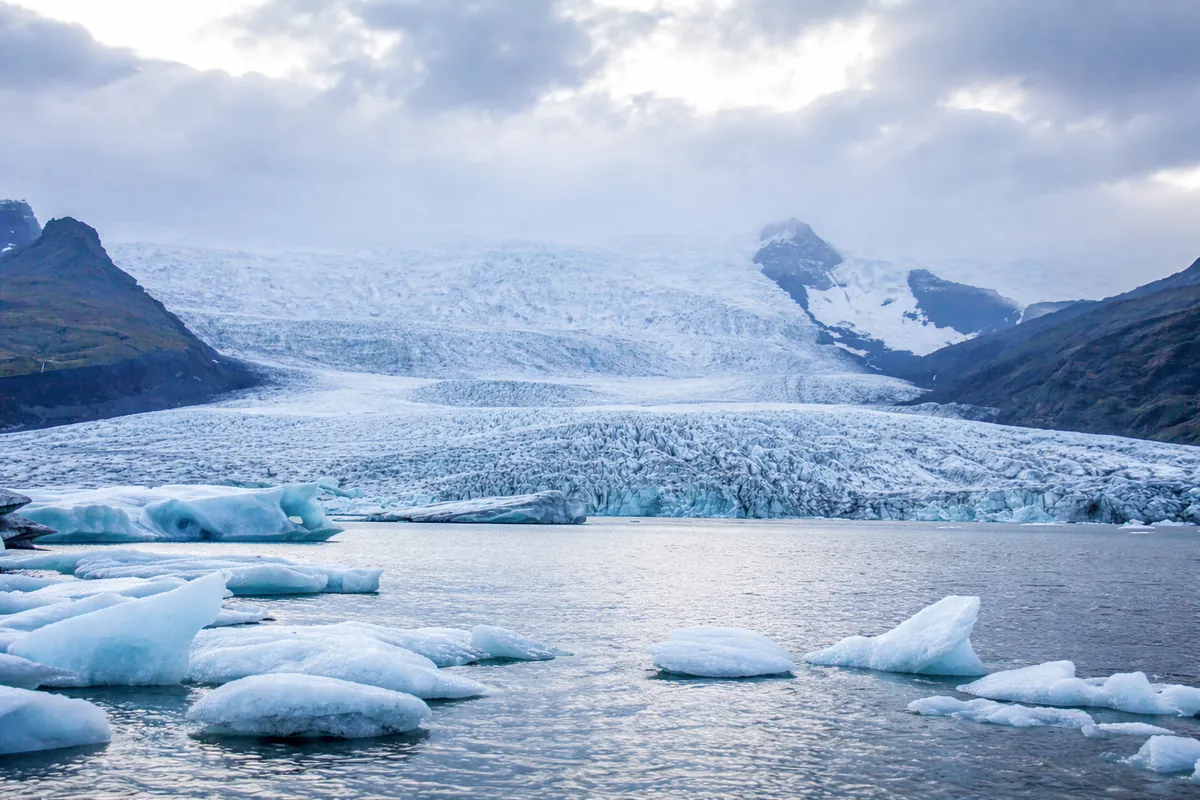
Fjallsárlón sits at the western edge of Vatnajökull National Park beneath the slopes of Öræfajökull. It is the smaller, quieter of the park's two famous glacier lagoons — the glacier wall stands unusually close to shore, the basin feels intimate, and small-group zodiac tours bring you right up toward the calving ice. It is a natural first stop before continuing east to Jökulsárlón. Combine it with a guided glacier hike for a full morning on the ice.
Powered by GetYourGuide

Top Things to Do in Vatnajökull National Park

Glacier lagoons

The park's headline attractions are its glacier lagoons, where icebergs calve off the glacier and drift on still water.

Other glacier experiences near Vatnajökull

Vatnajökull National Park is the heart of Iceland's ice country, but the surrounding region has more to offer. Day tours from Reykjavík cover the South Coast route with stops at Seljalandsfoss and Skógafoss waterfalls, Reynisfjara black-sand beach, and Jökulsárlón Glacier Lagoon. Multi-day tours combine the glacier lagoon, Skaftafell, and Diamond Beach with overnight stays near the park. Fjallsárlón boat tours, blue ice cave exploration, and glacier hikes can all be layered into the same visit to Vatnajökull National Park.

More to explore in Vatnajökull National Park

Blue ice caves

In winter (roughly November to March), guided tours enter the glowing blue ice caves inside Vatnajökull — one of Iceland's absolute bucket-list experiences. The ice is ancient, compressed over centuries, and lit from within by daylight filtering through the glacier above. You need a licensed guide; do not attempt ice caves without one.

These are among the most booked ice cave tours in the park — departing from the Jökulsárlón area into Vatnajökull:

Check availability & prices

Glacier hikes

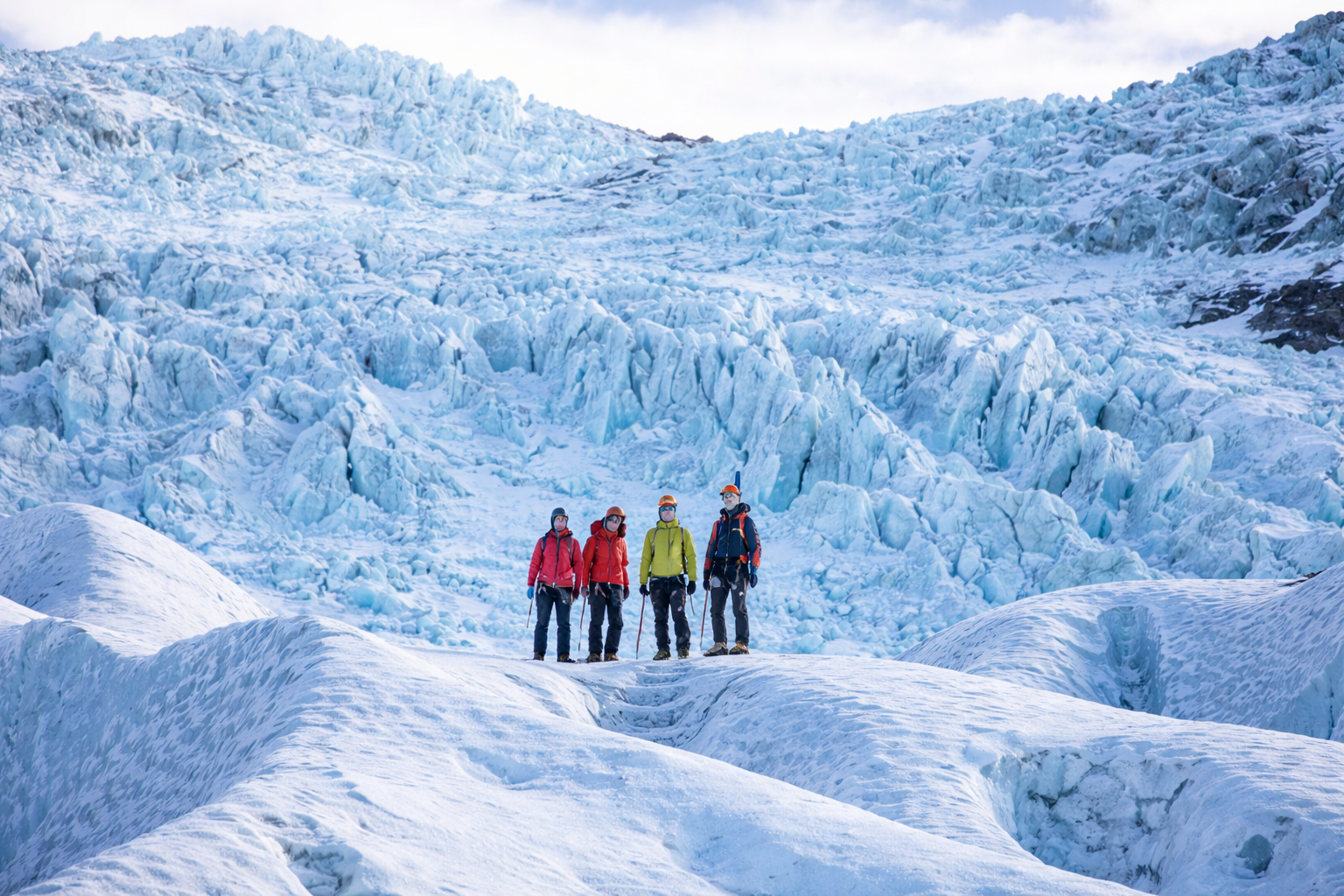
Guided glacier hikes let you walk on the ice cap itself, roped up with crampons, exploring crevasses and ridges. Most routes are suitable for general fitness levels. Hikes depart from Skaftafell and from the Jökulsárlón lagoon area, with different difficulty levels available.

The Falljökull glacier hike at Skaftafell is one of the most popular and accessible routes in the park:

Check availability & prices

Skaftafell

The park's hiking hub, with trails to Svartifoss waterfall (framed by black basalt columns) and viewpoints over glacier tongues. Free to visit.

Diamond Beach

Directly across the Ring Road from Jökulsárlón, icebergs strand on black sand — one of Iceland's most photographed spots. Free. Shared parking with Jökulsárlón (~1,000 ISK per day).

How to Get to Vatnajökull National Park

The park's most-visited sites sit right on the Ring Road (Route 1) in the southeast.

Because the park is so vast, most visitors focus on the southeast cluster which can be strung together in a day.

Best Time to Visit Vatnajökull National Park

Summer (Jun–Sep)

Glacier lagoon boat tours, glacier hikes, and Skaftafell hiking at their best. Long daylight hours and easy driving conditions make summer the peak season for the park.

Winter (Nov–Mar)

Blue ice caves, snowy landscapes, and the northern lights. Short days but dramatically beautiful, and far fewer crowds than summer. Ice cave season is the main draw.

Shoulder (May, Oct)

Fewer crowds and a mix of activities depending on conditions. A good balance between summer activity season and winter ice cave season.

See our full Best Time to Visit Iceland guide to match your dates to the experiences you want.

Where to Stay Near Vatnajökull

The area around Höfn and the farms and guesthouses near the glacier lagoons make the best bases for reaching Fjallsárlón, Jökulsárlón, ice caves, and Skaftafell without long daily drives. Höfn is the largest town nearby, with fuel, supermarkets, and restaurants.

There are also small guesthouses and farm stays scattered along Route 1 between Skaftafell and Höfn. Book well in advance in summer — accommodation in this area is limited and books up fast.

Frequently Asked Questions

Helpful answers for travelers planning a visit to Vatnajökull National Park.

How big is Vatnajökull National Park?

Vatnajökull National Park covers around 14% of Iceland — roughly 14,100 km² — making it one of the largest national parks in Europe. It protects the Vatnajökull ice cap, surrounding mountains, volcanoes, and glacier lagoons.

Is Vatnajökull the biggest glacier in Iceland?

Yes. Vatnajökull is the largest glacier in Iceland and one of the largest in Europe by volume, covering approximately 8,100 km² of the southeast.

Is there an entrance fee for Vatnajökull National Park?

The park itself is free to enter — no gate, no ticket. Parking fees apply at some popular sites (typically around 1,000 ISK per day). Guided glacier tours and ice cave tours are paid activities.

What is the best thing to do in Vatnajökull National Park?

For summer visitors, a glacier lagoon boat tour at Fjallsárlón or Jökulsárlón is the standout experience. In winter, a guided blue ice cave tour inside Vatnajökull is the number-one bucket-list activity.

How many days do you need in Vatnajökull National Park?

You can cover the headline attractions — Fjallsárlón, Jökulsárlón, Diamond Beach, and Skaftafell — in 1 to 2 days. Allow 3 or more days if you want to add glacier hikes, ice caves, and a slower pace.

Can you visit Vatnajökull National Park without a tour?

Yes. The glacier lagoons, Diamond Beach, and Skaftafell hiking trails are all accessible independently by car. However, ice cave tours and glacier hikes require a licensed guide — you cannot safely enter ice caves or walk on the glacier without one.