Discover Fjallsárlón Glacier Lagoon

Iceland's hidden gem for intimate iceberg encounters, far from the crowds

Why Fjallsárlón Is Worth a Stop

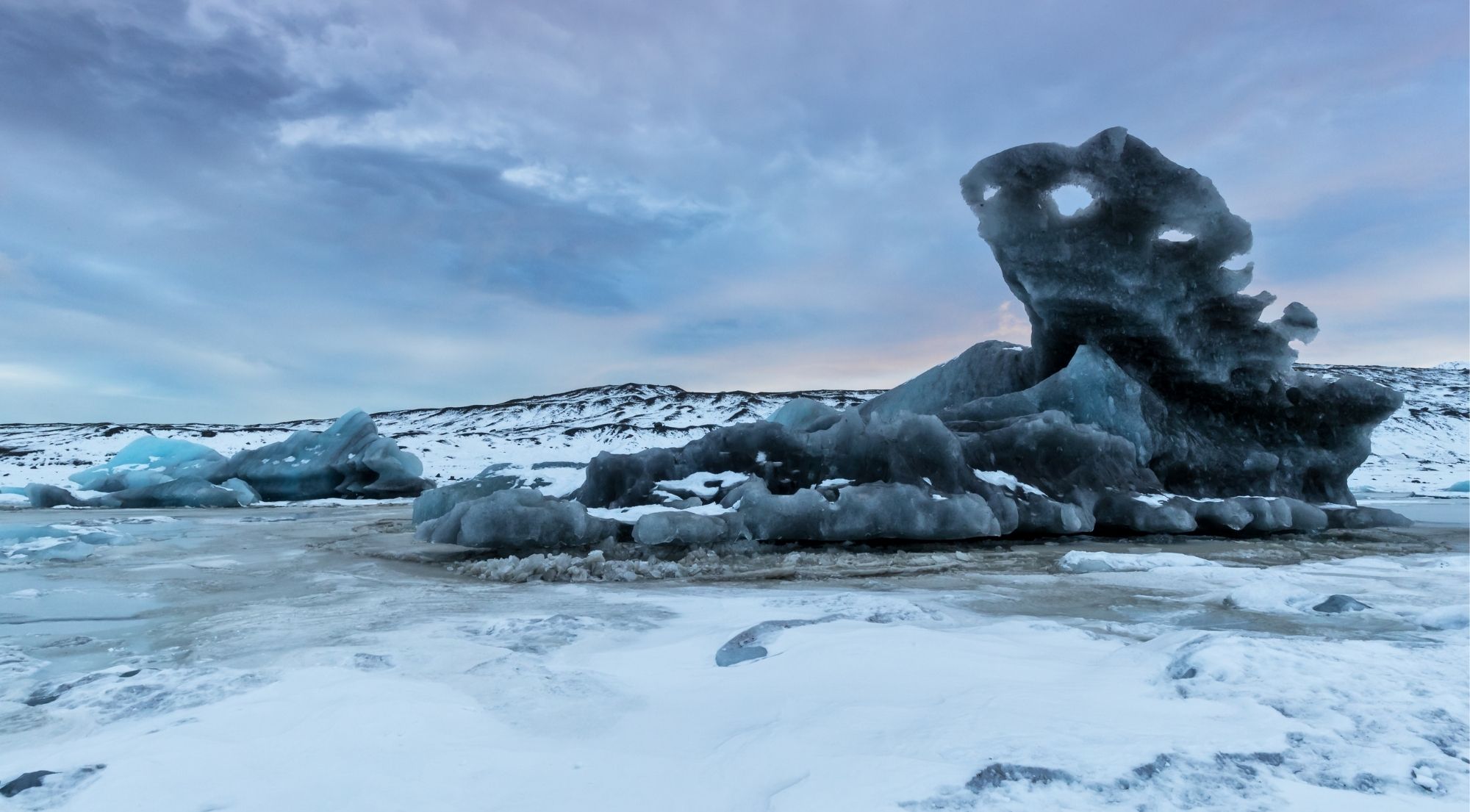
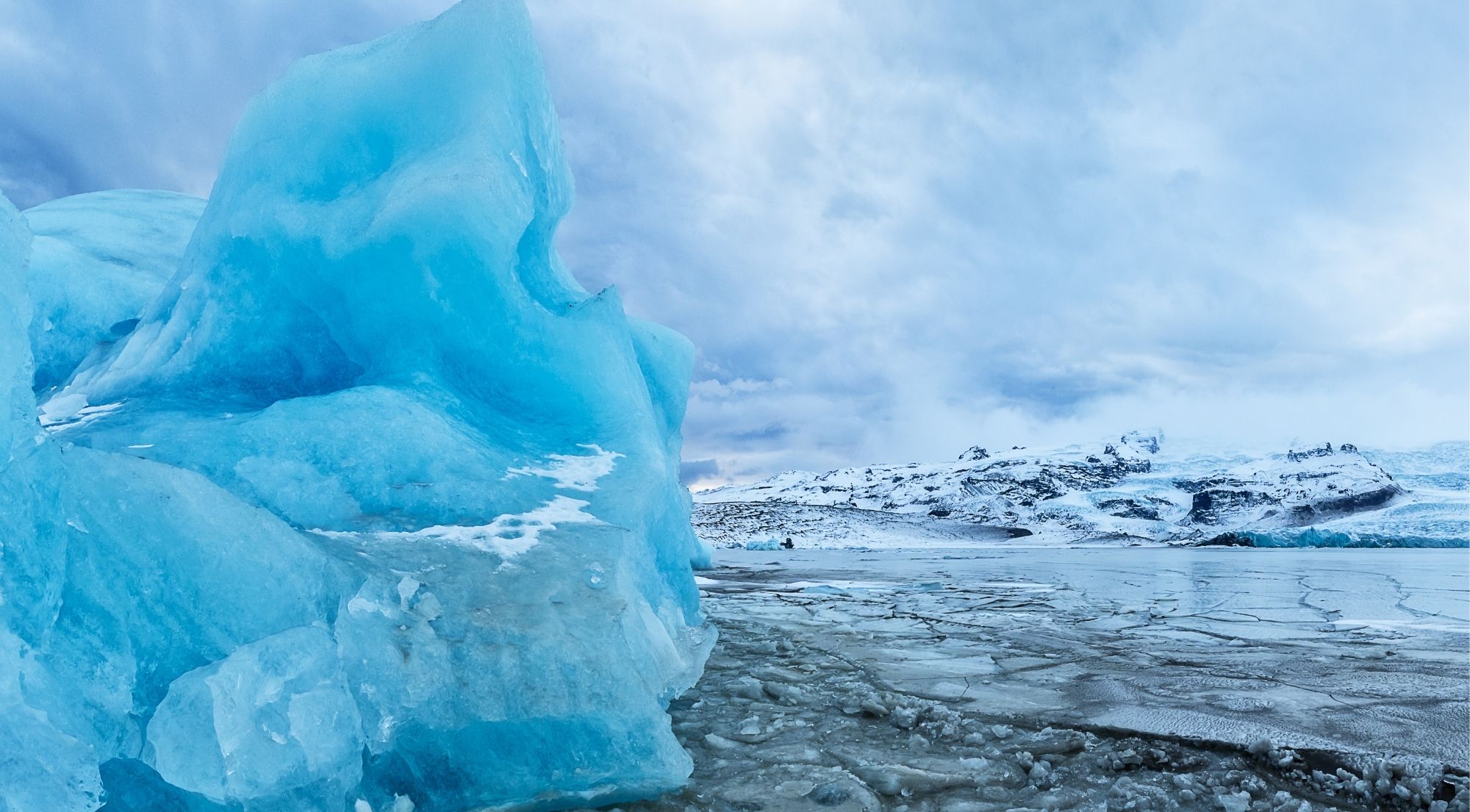
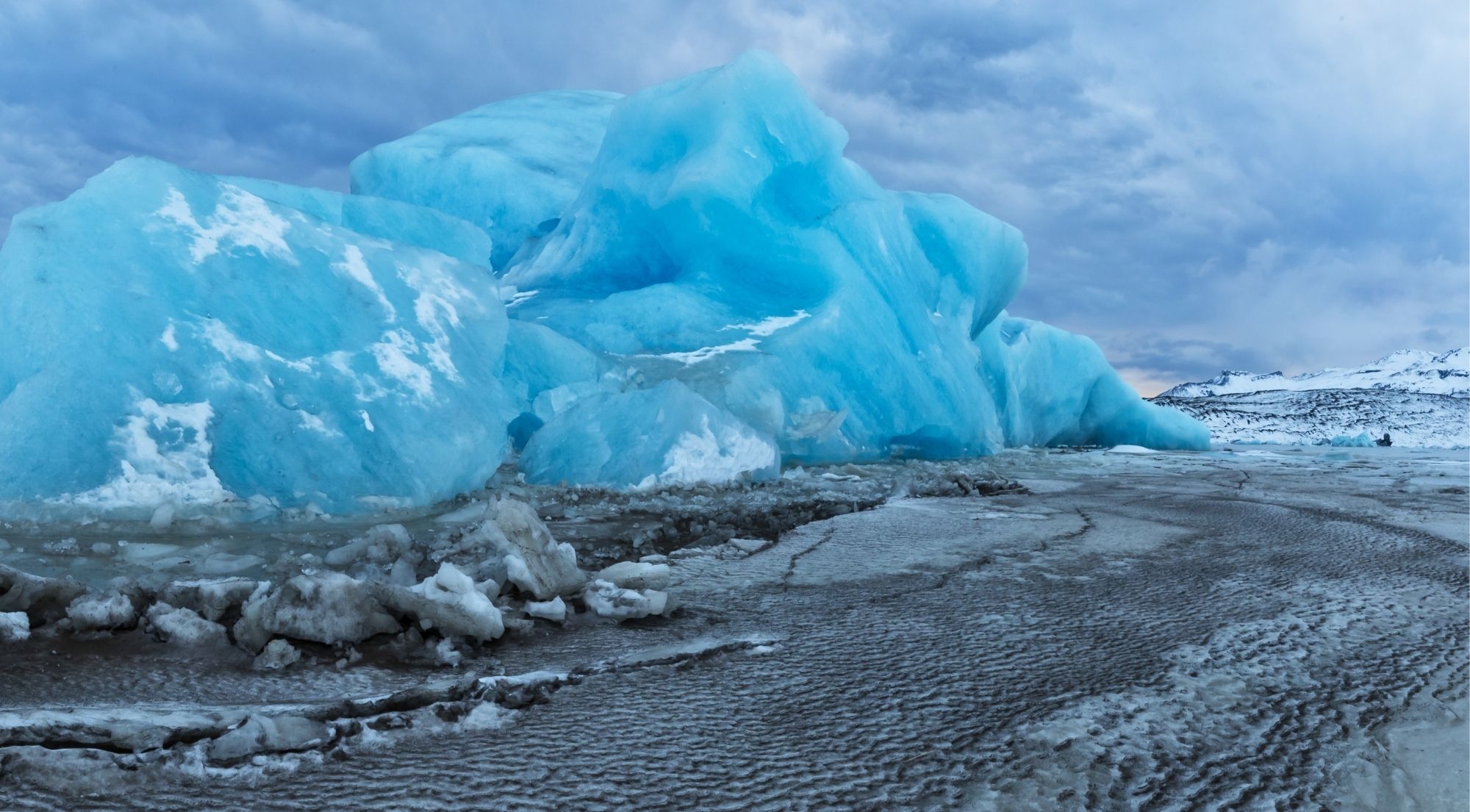
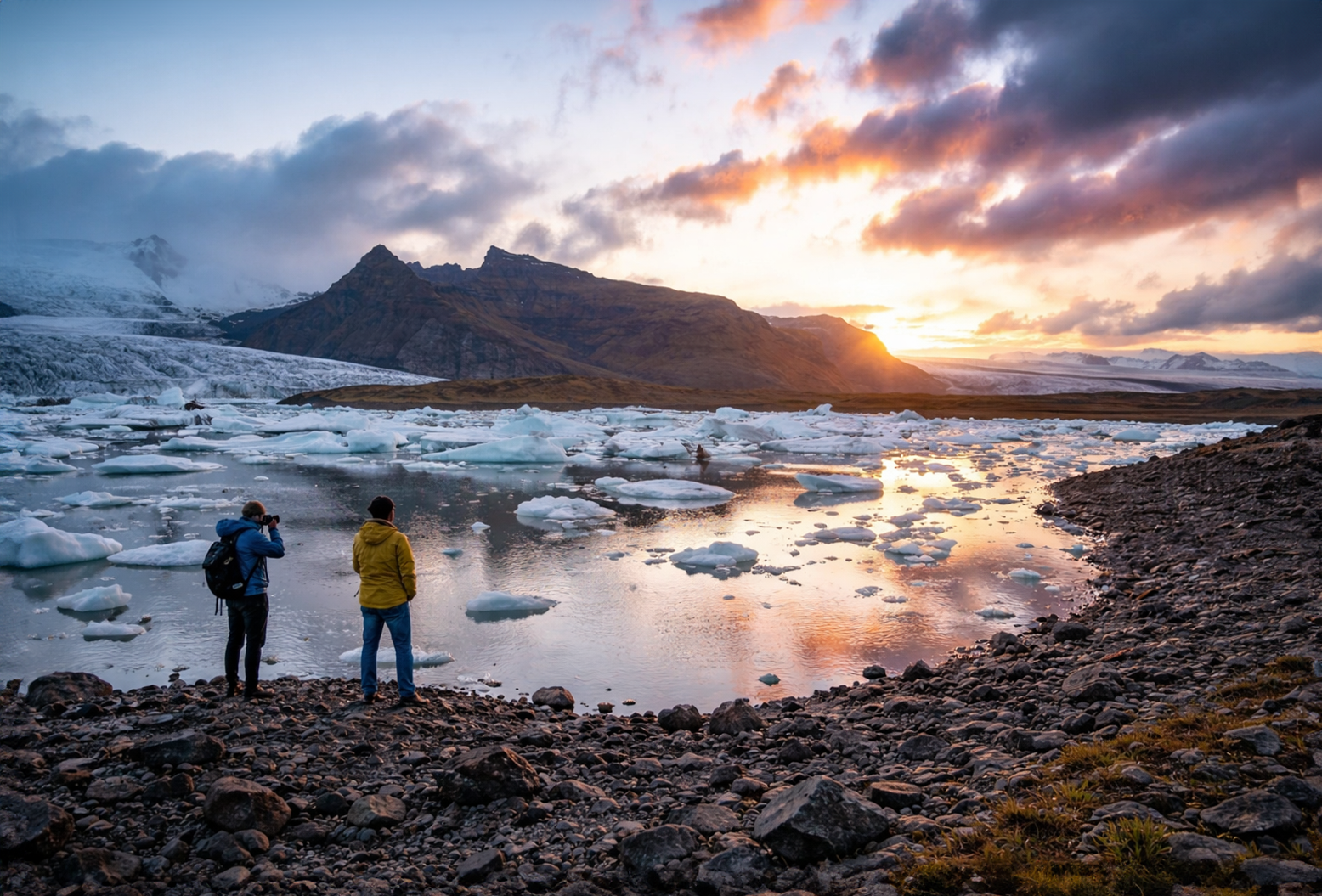
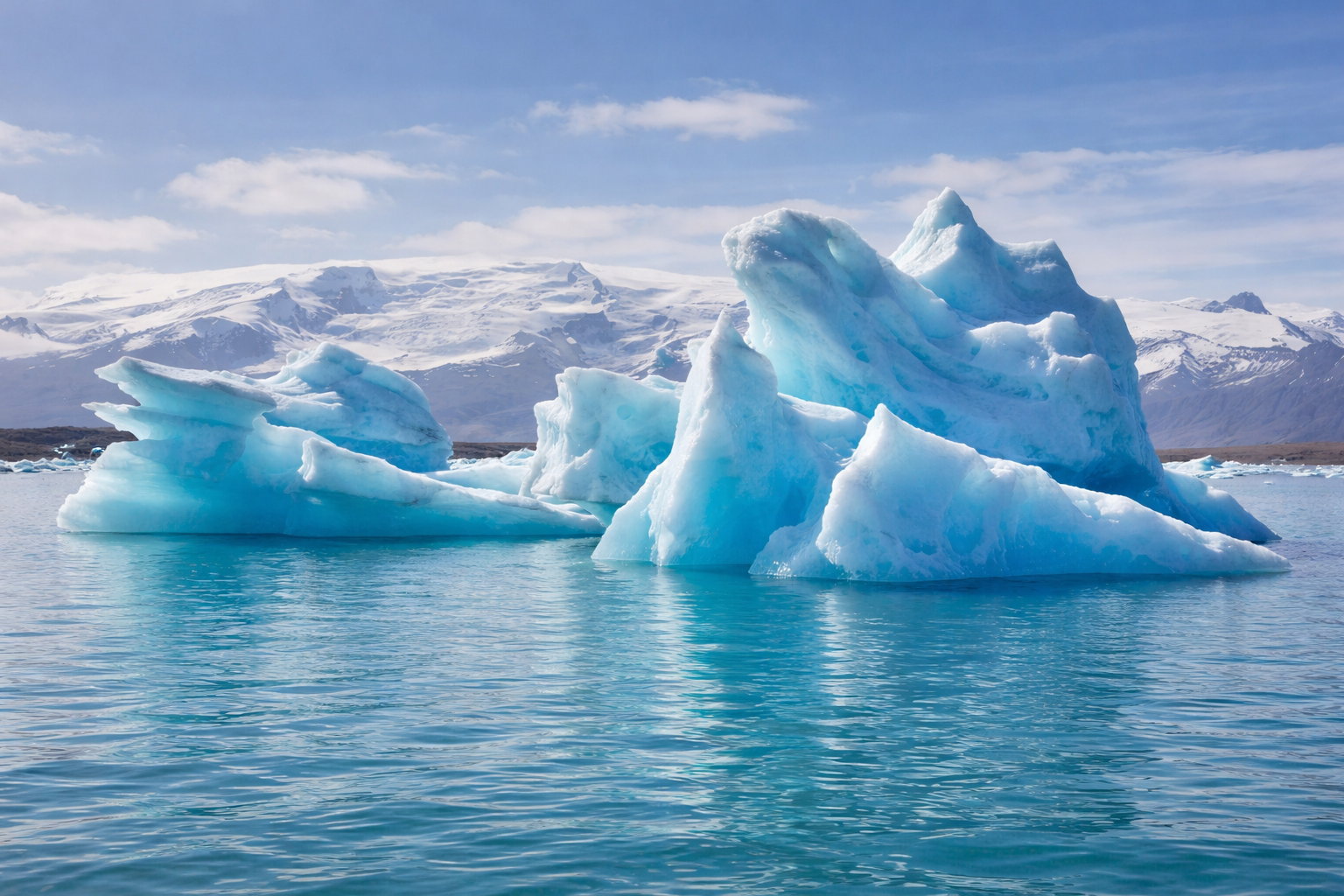
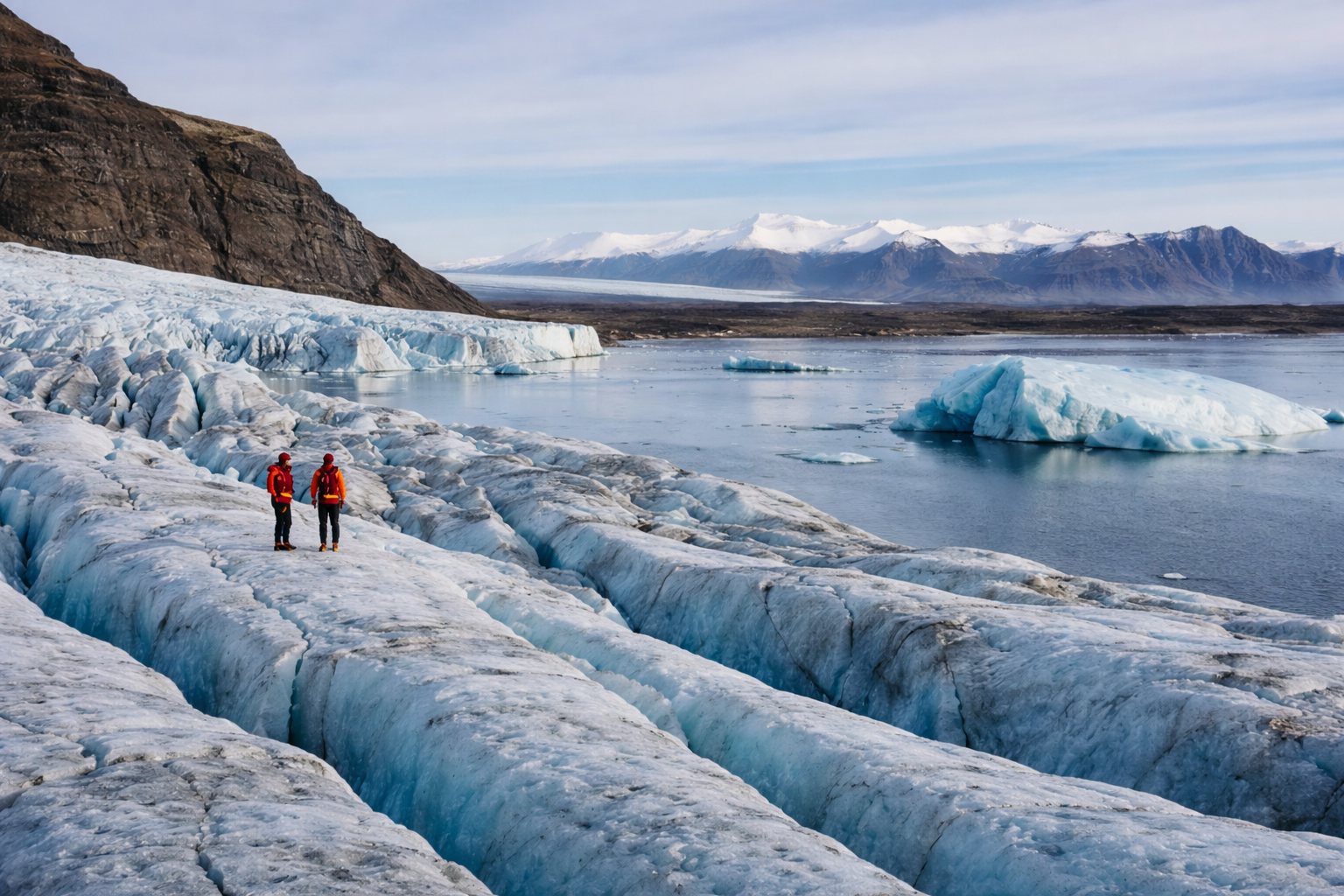
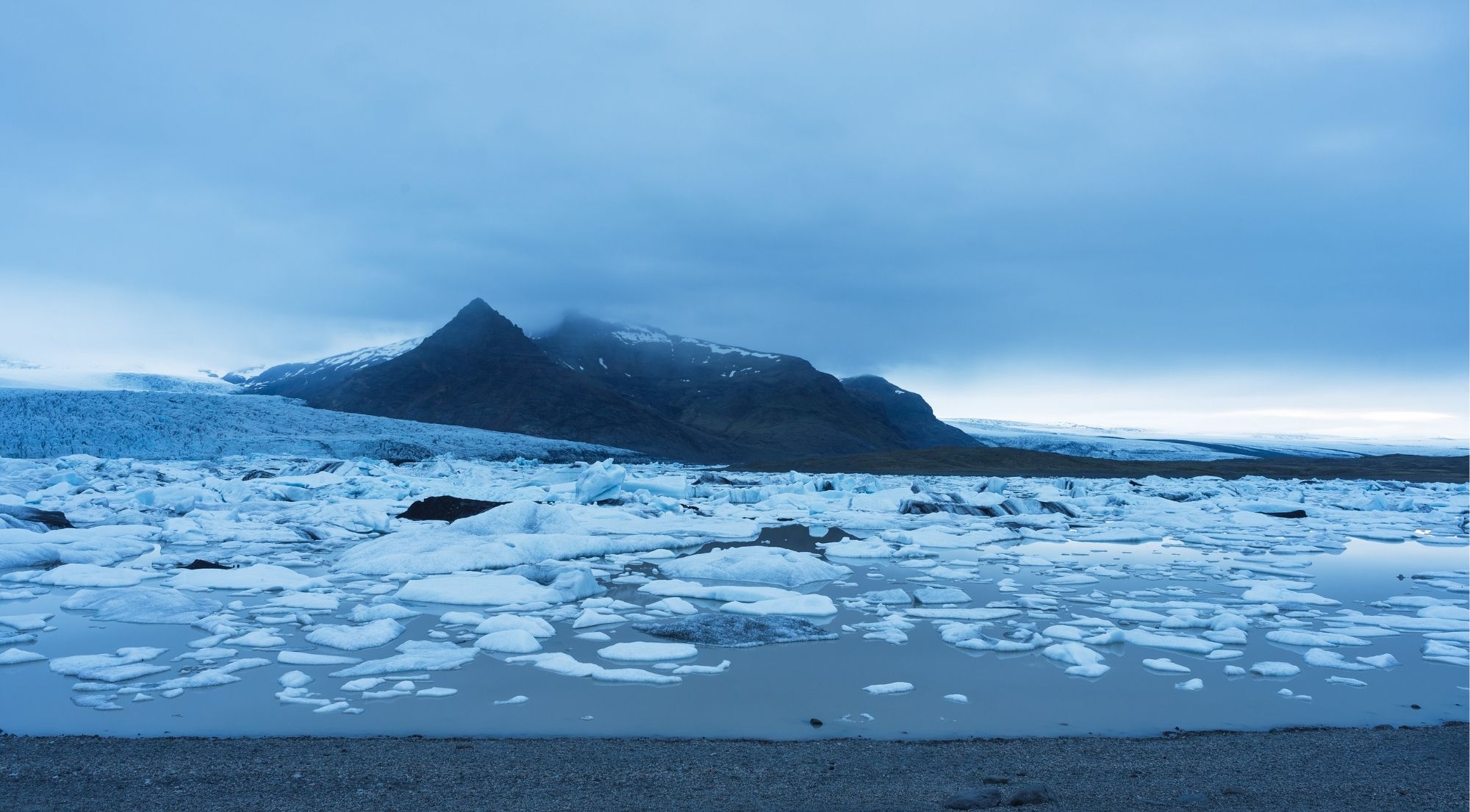
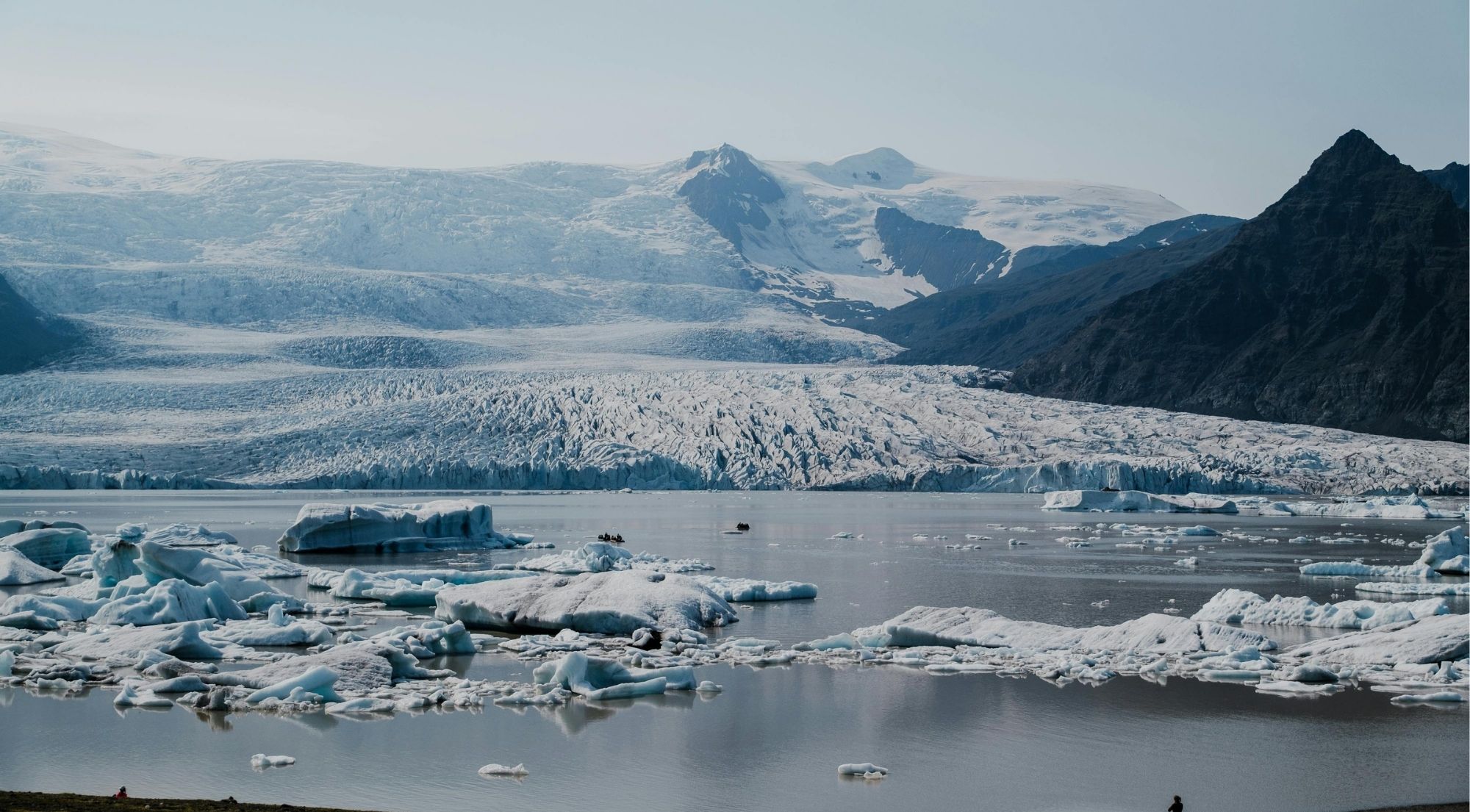
Fjallsárlón is the quieter glacier lagoon on Iceland's southeast coast, just 10 kilometers west of Jökulsárlón and tucked beneath Vatnajökull's Fjallsjökull outlet glacier. The setting feels tighter, wilder, and more personal: the glacier face sits unusually close to shore, the icebergs drift in a smaller basin, and you can often hear the ice crack without standing elbow-to-elbow with a bus group.

That mix of easy access and real atmosphere is what makes Fjallsárlón so useful to know about. The shoreline viewpoint and parking are free, the signature Zodiac tour gets close to the calving ice, and the lagoon works in every season, from long summer evenings to winter days shaped by blue light, ice caves, and possible auroras.

If you're choosing between Iceland's two famous glacier lagoons, the real distinction is scale versus intimacy:

Fjallsárlón Quieter, closer to the glacier, more intimate on the water and on shore
Jökulsárlón Bigger, more iconic, and easier to pair with Diamond Beach

Many travelers should see both, since they are only about 10 minutes apart. If you care most about fewer crowds, stronger close-up glacier views, and a more grounded sense of place, Fjallsárlón is often the more memorable stop.

Powered by GetYourGuide

What is Fjallsárlón?

Fjallsárlón is a glacier lagoon in southeast Iceland formed by the retreat of Fjallsjökull, an outlet glacier of Vatnajökull. It is smaller than Jökulsárlón, but that is part of the appeal: the ice, mountain backdrop, and glacier wall all feel much closer.

Is it worth visiting?

Yes, especially if you want glacier-lagoon scenery without the busiest crowds on the South Coast. It is one of the best places in Iceland for a quieter lagoon walk, close-up Zodiac tours, and photography that feels less like a queue and more like a discovery.

When should I go?

Go from June to September for the easiest conditions, boat tours, and long daylight, or aim for September to October and late February to March for a smart balance of atmosphere and lower crowds. Winter is best if your priority is ice caves, frozen scenery, and a shot at the Northern Lights.

How does it compare to Jökulsárlón?

Jökulsárlón is larger, busier, and more instantly iconic, while Fjallsárlón feels calmer and closer to the glacier itself. They complement each other well, but Fjallsárlón usually wins for intimacy, while Jökulsárlón wins for scale and the easy add-on of Diamond Beach. Full Comparison Guide →

Best Time to Visit Fjallsárlón

For most travelers, June through September is the easiest window — boat tours run, daylight is long, and the Ring Road is stress-free. Late February to March and September to October are the smartest shoulder picks for fewer crowds and stronger aurora odds. Pick a month below to compare conditions, daylight, and which tours actually run.

Best Good Low
Peak-season Fjallsárlón experience with floating icebergs in July

JULY

Best month to visit Fjallsárlón

  • Peak season with stable weather and full midnight-sun daylight.
  • All tours running; book the Zodiac in advance — it sells out in July.
  • Most forgiving month for first-time visitors who want easy logistics.
  • Crowds higher than off-season but Fjallsárlón still feels manageable.
  • SeasonPeak summer
  • Max temp~57°F / 14°C
  • Daylight~24 hours
  • Boat toursAll running
  • AuroraNot visible
  • RatingBest month

Facts Most Guides Don't Mention

Eight notes the booking pages and brochures usually skip — from auroras that refuse to show up on cue to skuas that dive-bomb hikers in summer. Worth scanning before you set a date, so the only surprises at Fjallsárlón are the good ones.

Safety

It's on you

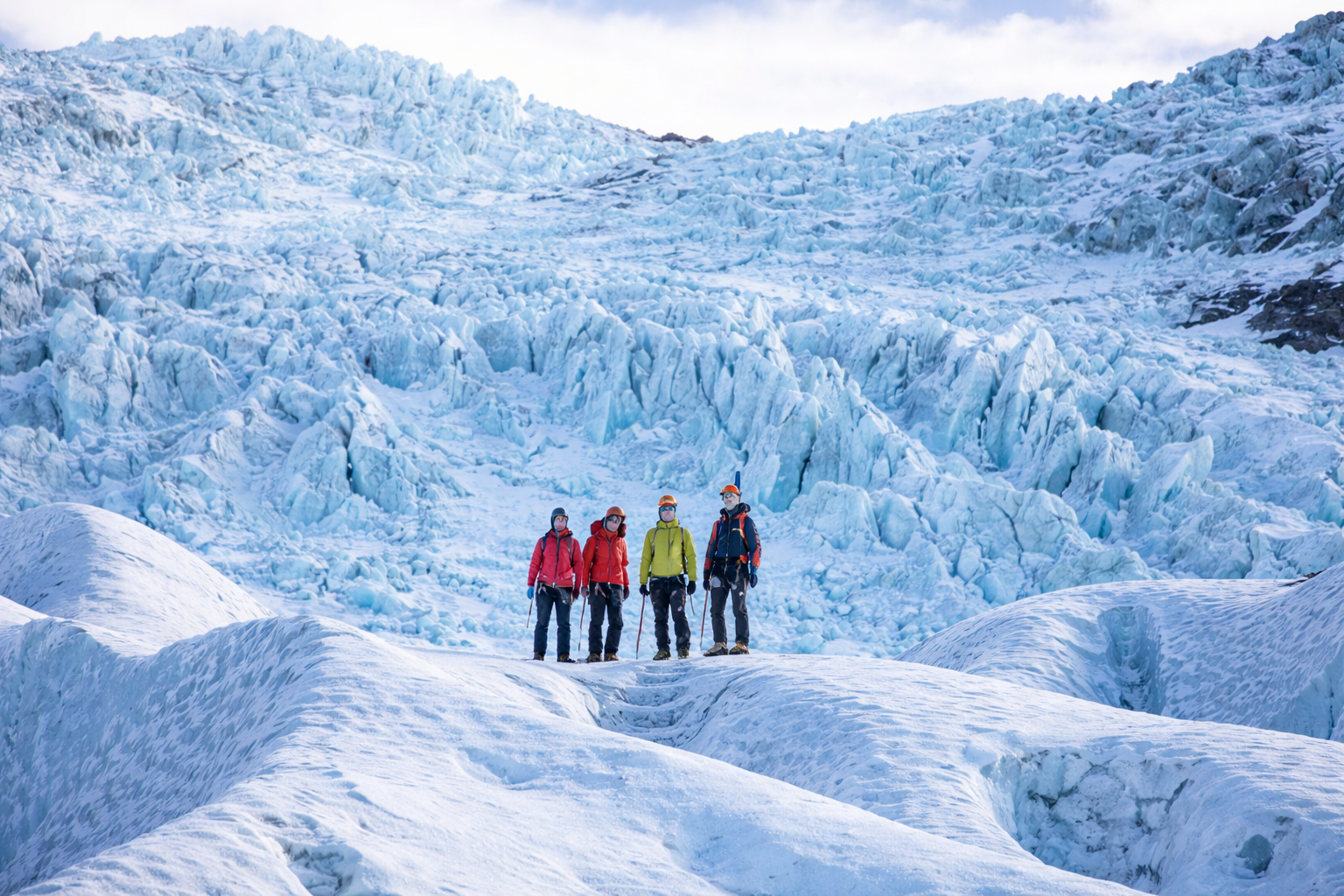
Glacier environments are inherently hazardous. Never walk on the glacier, enter ice caves, or kayak the lagoon without a certified guide. Weather can change in minutes — check vedur.is and umferdin.is/road.is daily.

Seasonality

Tours come and go

Boat tours typically pause Dec–Mar; ice caves run only Nov–Mar; Aurora Hut requires advance booking and an age-20 minimum. Always reconfirm availability directly with the operator before locking in a date.

Operators

Two brands on one lagoon

"Fjallsárlón Iceberg Boat Tours" (Fjallsárlón ehf.) is the main on-water operator. A separate company — Glacier and Volcano Expeditions — runs kayaking from a different access point on the same lagoon. Don't confuse them when booking.

Wildlife

Skuas dive-bomb in summer

From mid-May to mid-July, nesting great skuas will swoop at anyone walking near their patch of shore. Wear a hat, avoid the grassy areas they're guarding, and don't be surprised if it happens — it is the lagoon's most reliably overlooked safety note.

Pricing

Currency volatility

USD figures use ~1 USD = 123 ISK. The ISK fluctuated between roughly 0.0078–0.0083 USD/ISK from mid-2025 to early 2026. Confirm live prices at booking — operators sometimes adjust between seasons.

Climate

A landscape in motion

Vatnajökull is retreating, and Fjallsárlón formed within living memory. Glacial features here will continue to change; some sources expect meaningful glacier recession over the next decade, altering the lagoon's depth, appearance, and tour logistics.

Auroras

Not a sure thing

Northern Lights need clear skies, dark hours, and active solar weather all at once — even prime winter weeks can deliver nothing. They also tend to look paler in person than the saturated green ribbons cameras capture, since long exposures pull in color the eye cannot see. Pad your trip with multiple chances and keep expectations honest.

Drones

Rules can change

Vatnajökull National Park drone regulations were last comprehensively updated under regulation 1360/2024. Check vatnajokulsthjodgardur.is and island.is/en/drone-map before any flight.

Top Experiences at Fjallsárlón

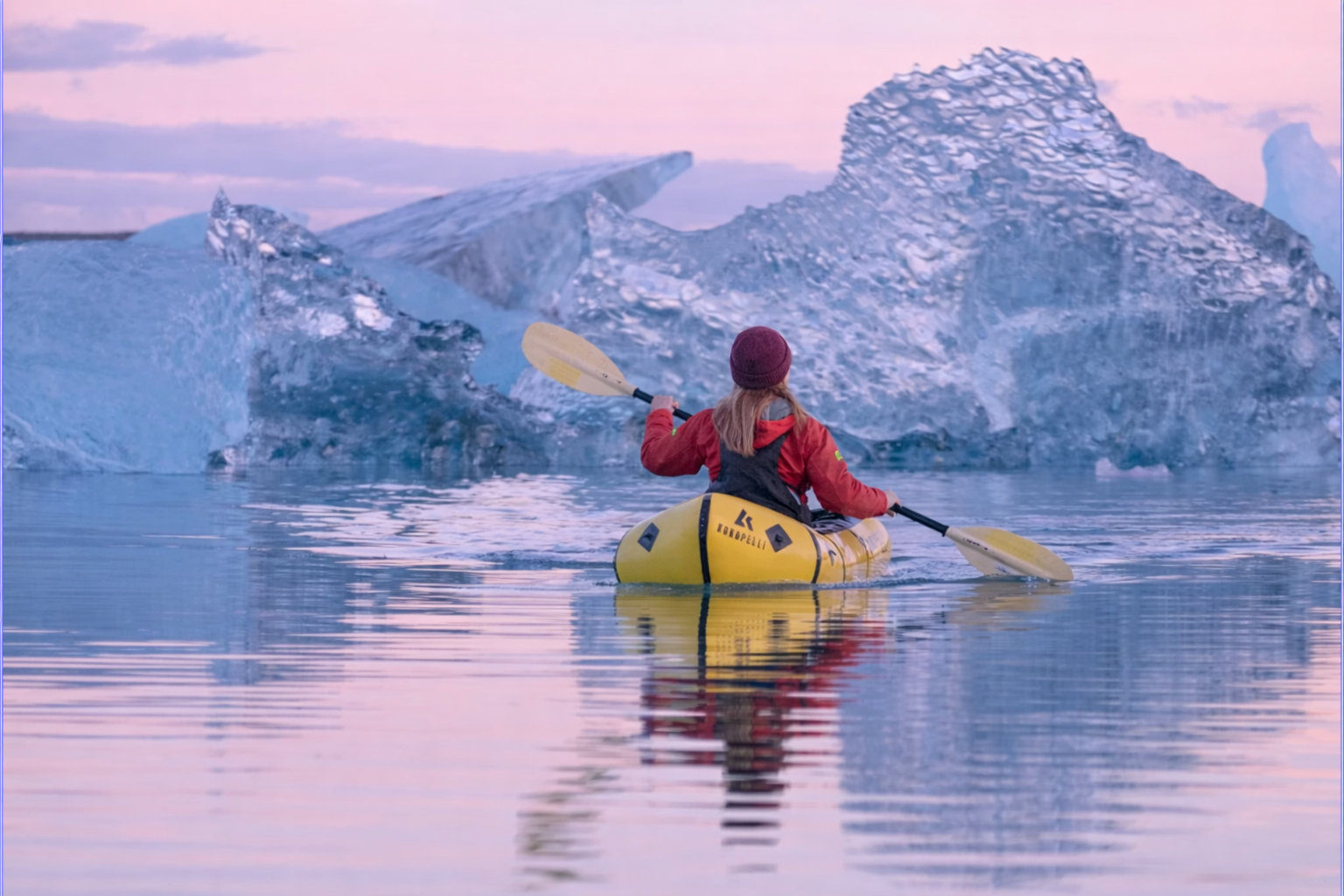
Vatnajökull National Park: Glacier Lagoon Kayaking Tour

Meet your guide at Fjallsjökull glacier, gear up with a drysuit and lifejacket, and paddle across the glacier lagoon through a maze of icebergs for a closer, more immersive experience.

Powered by GetYourGuide

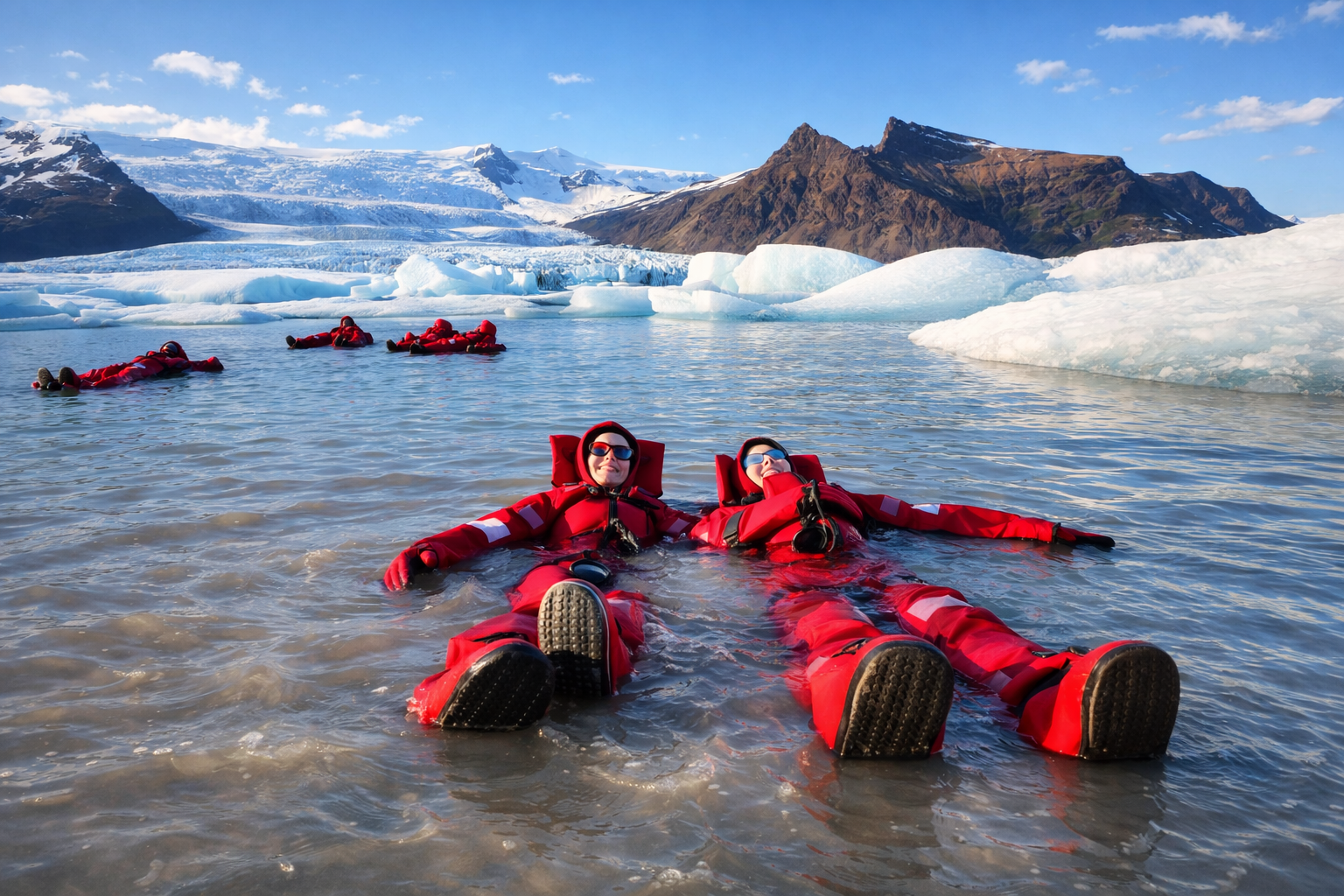
Ice Floating Experience

Float weightlessly among ancient icebergs in a thermal immersion suit. A unique, year-round glacier lagoon adventure like no other.

Powered by GetYourGuide

Premium Blue Ice Cave Tour - hot soup & hot drink incl.

Travel by 4x4 to a captivating blue ice cave in Breidarmerkurjokull, with an easier crowd-avoiding schedule, expert guides, and warm soup plus a hot drink included at Frost Restaurant.

Powered by GetYourGuide

Frost Restaurant - Dining with a Glacier View

Enjoy fresh Icelandic cuisine while gazing at Vatnajökull Glacier through panoramic windows. Open daily 9:30 AM - 4:00 PM with soups, sandwiches, desserts, and beverages.

View Menu & Details

Fjallsárlón Aurora Hut - Overnight Adventure

Sleep under the Northern Lights in our exclusive Aurora Hut. A once-in-a-lifetime experience combining glacier views with aurora hunting.

Discover the Aurora Hut

Plan Your Visit

Fjallsárlón is located on Iceland's stunning South Coast, approximately 4.5-5 hours from Reykjavik. Free parking available. Easily accessible from the Ring Road.

Get Directions & Tips

Frequently Asked Questions About Fjallsárlón

Quick answers for planning your visit, comparing nearby glacier lagoons, and choosing the right experience.

What is Fjallsárlón?

Fjallsárlón is a glacier lagoon in southeast Iceland at the edge of Vatnajökull, about 10 kilometers west of Jökulsárlón. It is smaller and quieter than its famous neighbor, with the glacier face sitting much closer to shore.

Is Fjallsárlón worth visiting?

Yes. Fjallsárlón is worth visiting if you want glacier-lagoon scenery without the biggest crowds, plus closer views of Fjallsjökull and a more intimate feel on shore and on the water.

When is the best time to visit Fjallsárlón?

June through September is best for boat tours, long daylight, and easier driving. September to October and late February to March are excellent shoulder seasons for fewer crowds and strong photography, while winter is best for ice caves and aurora chances.

How does Fjallsárlón compare to Jökulsárlón?

Fjallsárlón is smaller, quieter, and closer to the glacier face, while Jökulsárlón is larger, busier, and more instantly iconic. They are only about 10 minutes apart, so many travelers visit both.

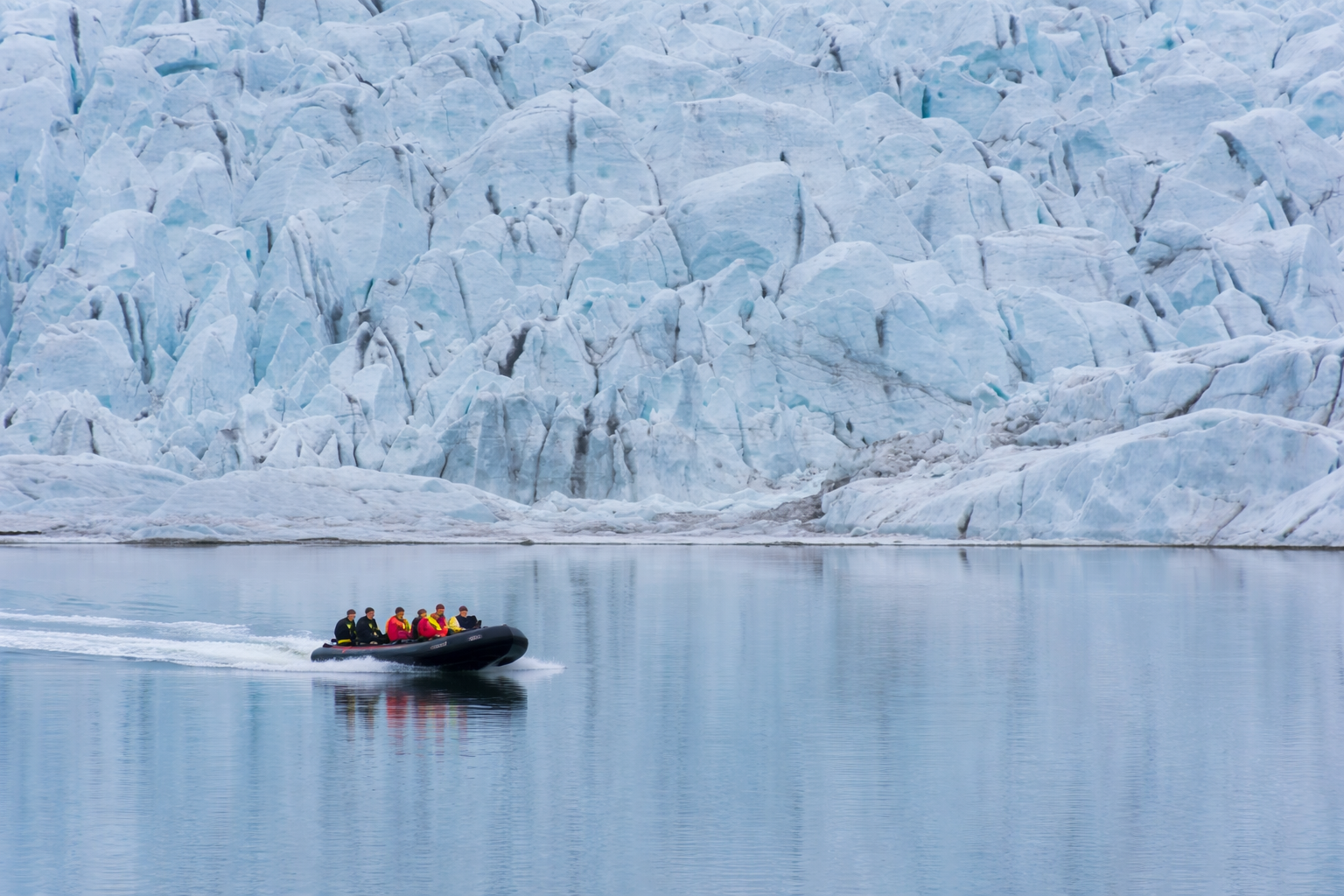
Can you do boat tours at Fjallsárlón?

Yes, Fjallsárlón offers zodiac boat tours that take visitors close to the glacier and icebergs, typically in smaller and more intimate groups.

Do you need to book Fjallsárlón tours in advance?

It is recommended to book in advance during peak season, as tours can sell out due to limited group sizes.

Is Fjallsárlón better for photography?

Yes, Fjallsárlón is excellent for photography thanks to fewer crowds, closer glacier views, and opportunities for reflections and dramatic compositions.

How do you get to Fjallsárlón?

Fjallsárlón is located along Iceland’s Ring Road in the southeast, about 10 minutes west of Jökulsárlón, and is easily accessible by car with nearby parking.

How much time do you need at Fjallsárlón?

Most visitors spend 1–2 hours at Fjallsárlón, though more time may be needed for tours or photography.

Can you visit Fjallsárlón without a tour?

Yes, Fjallsárlón can be visited independently, but a boat tour provides the best experience for getting close to the glacier.

Is Fjallsárlón safe?

Yes, Fjallsárlón is generally safe, but visitors should keep a safe distance from the water and icebergs due to potential hazards.