Darkness
Get away from town and streetlights. The countryside of southeast Iceland — around Vatnajökull and the glacier lagoons — offers some of the darkest skies on the island. Höfn is 80 km east of Fjallsárlón; there is very little between.
When to go, where to stand, and what you actually need for a strong aurora show
The best time to see the northern lights in Iceland is from late September to early April, on dark, clear nights away from town lights. The single best months tend to be September–October and February–March, when nights are long enough for a strong show but the roads and weather are still manageable.
Below is everything you need to plan around — the aurora season, the best month by month, the best time of night, and where to actually stand when the lights appear.
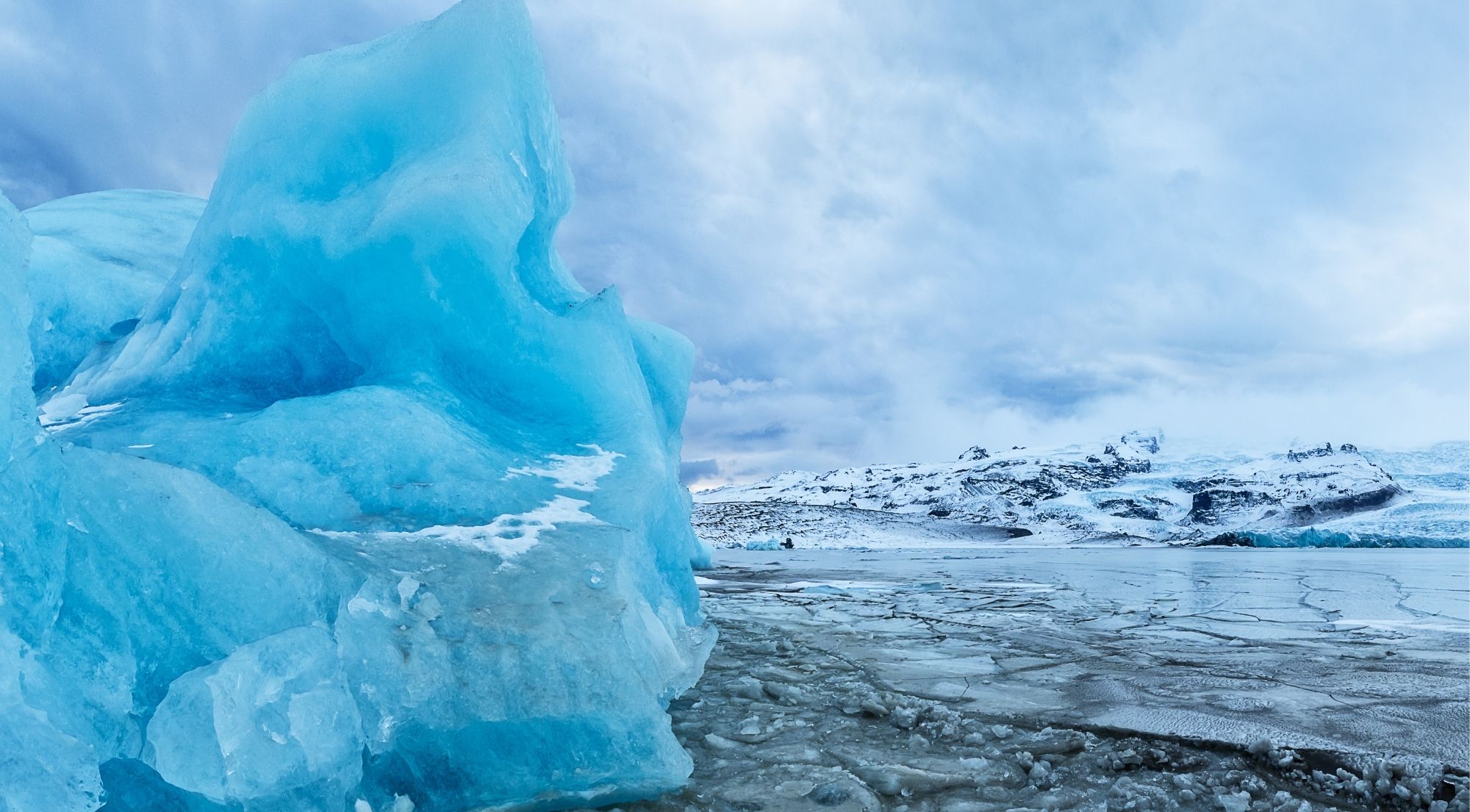
Iceland's aurora season runs roughly from September through April. The northern lights are active all year, but you can only see them when the sky is dark enough — and from late May to mid-August Iceland has almost no true darkness thanks to the midnight sun. So even though the aurora is "on," summer visitors won't see it.
That gives you a simple rule: if you want the northern lights, come in the darker half of the year.
Aurora hunting is at its best in southeast Iceland, where the dark skies above Vatnajökull National Park frame glacier lagoons and mountain ridges. While you're in the area, several other winter experiences pair naturally with your aurora evenings: exploring vivid blue ice caves inside Breiðamerkurjökull glacier, a Zodiac boat tour among the icebergs of Fjallsárlón glacier lagoon, ice floating in a thermal suit, or a morning visit to Jökulsárlón and Diamond Beach after a night of aurora chasing on the South Coast of Iceland.
Every month in the season has trade-offs between darkness, weather, and daylight for daytime sightseeing:
If we had to pick one: March and October consistently offer the best mix of long, dark nights and reasonable weather. September is close — and has the advantage of summer activities still running during the day.
Usable darkness is the number that matters most, and it changes faster in Iceland than anywhere most visitors have been. The hours below are approximate dark hours per night at Fjallsárlón (64°N) in the middle of each month — the window when the sky is dark enough for the aurora to show, allowing for twilight.
| Month | Dark hours | Aurora odds | What else runs at the lagoons |
|---|---|---|---|
| Late August 2026 | ~3 | First sightings possible | Zodiac tours, glacier hikes, Aurora Hut summer edition |
| September | ~8 | Good | Zodiac tours, glacier hikes (to end of month), ice floating |
| October | ~12 | Very good | Zodiac tours, ice floating, ice caves from mid-month, Aurora Hut winter edition |
| November | ~15 | Very good, cloudier | Last Zodiac departures, ice floating, ice caves, Aurora Hut |
| December | ~18 | Longest window, most storms | Ice caves, ice floating; roads need daily checking |
| January 2027 | ~17 | Long window, most storms | Ice caves, ice floating |
| February | ~13 | Very good | Ice caves, ice floating, frozen-lagoon photography |
| March | ~10 | Very good | Ice caves, ice floating, Aurora Hut winter edition returns |
| April | ~6 early, ~2 late | Fading after mid-month | Zodiac tours resume, last ice caves, ice floating |
| May – early August | 0–1 | None | Midnight sun; boat tours, glacier hikes, kayaking |
Iceland sits directly under the auroral oval, which is why it beats most of mainland Europe: a Kp of 2–3 is enough for a visible arc on a dark, clear night, and Kp 4 or above usually puts the lights overhead with movement and colour. The Icelandic Met Office (vedur.is) publishes a 0–9 aurora forecast next to a cloud-cover map — read both together, because a Kp 5 night under cloud shows nothing. Two more variables: moon phase (a full moon washes out faint displays but lights the icebergs beautifully for photos) and patience — activity comes in waves, so a quiet 11 PM is not a verdict on the night.
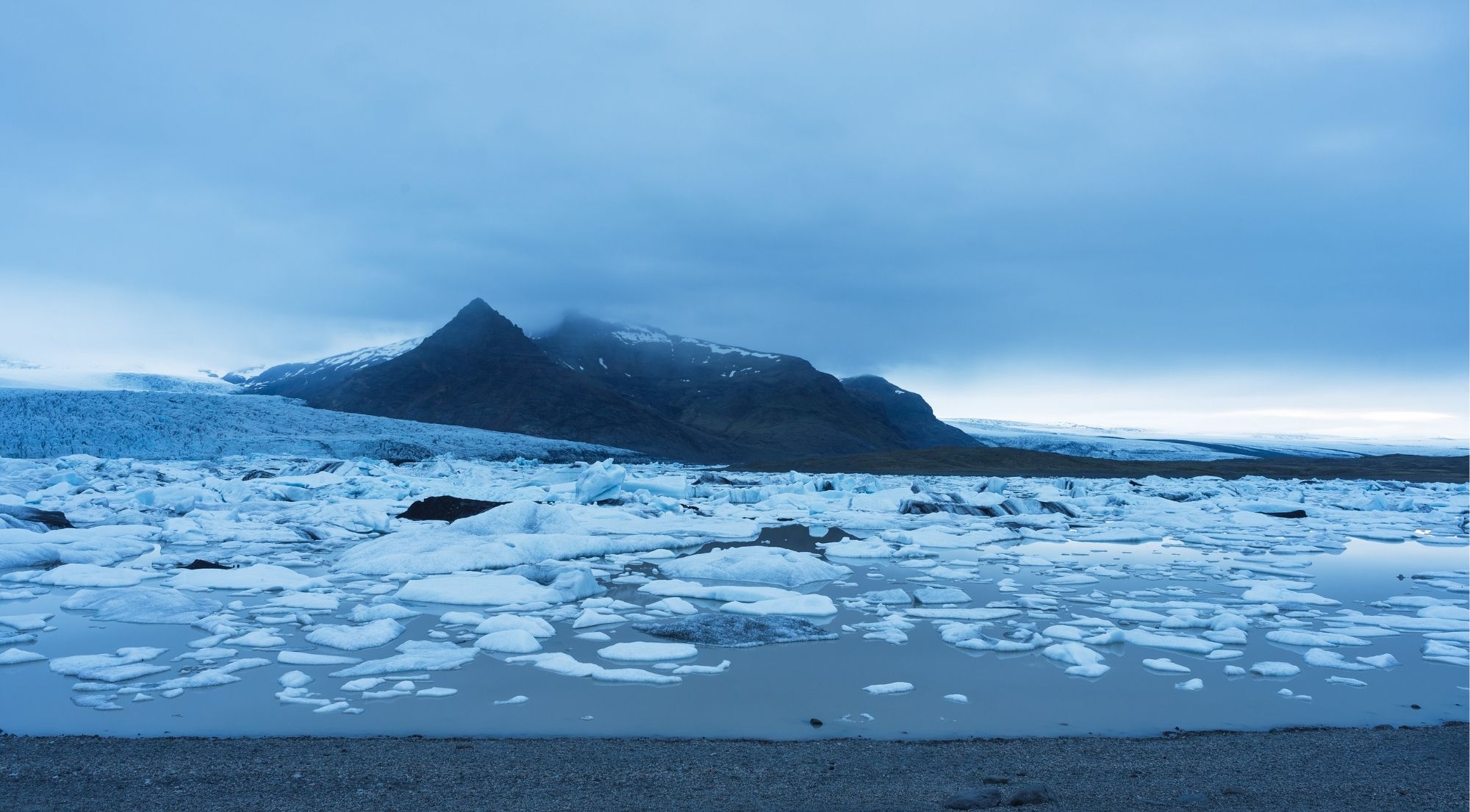
Aurora activity can flare at any point after dark, but the highest-probability window is roughly 9:00 PM to 2:00 AM, with many strong displays peaking around 11:00 PM to midnight. Plan to be somewhere genuinely dark, and be patient — displays often build slowly, fade, and return within the same night. Don't give up after one look at an empty sky.
Three conditions have to line up. Miss one and even the best aurora season delivers nothing worth remembering:
Get away from town and streetlights. The countryside of southeast Iceland — around Vatnajökull and the glacier lagoons — offers some of the darkest skies on the island. Höfn is 80 km east of Fjallsárlón; there is very little between.
Clouds block the aurora entirely. Check a cloud-cover forecast — not just an aurora forecast — and be ready to drive toward wherever the sky is clearest on the night.
Measured on the Kp index. Even a modest Kp can produce a beautiful show under dark, clear skies. Check the Icelandic Met Office aurora forecast — it shows aurora activity and cloud cover together — the day of your outing.
You don't need to travel to a specific landmark — any dark spot with an open northern horizon works. But the best locations combine darkness with foreground scenery that makes the photograph memorable:
Glacier lagoons like Fjallsárlón and Jökulsárlón give you floating icebergs and glacier mountains in the foreground, with almost zero light pollution. Photographing the northern lights reflected in the still water of a glacier lagoon is one of Iceland's most iconic winter shots — and the dark surroundings of the Vatnajökull region make it one of the best backdrops in the country.
Aurora season here runs from September through April and overlaps almost perfectly with blue ice cave season (November–March). Spending a day inside a Vatnajökull ice cave and then waiting for the aurora on the same evening is one of the most rewarding combinations a winter Iceland trip can offer.
This multi-day tour packages exactly what this page recommends: the South Coast, a glacier hike in Vatnajökull, and a guided northern lights hunt — all in one trip from Reykjavík.
Check availability & pricesOpen landscapes, black-sand beaches, and easy Ring Road access make the South Coast a natural base for aurora nights. Drive east from Reykjavík for progressively darker skies and more dramatic foreground options.
You can see the aurora from near the capital on strong nights, but driving 20–30 minutes into the countryside dramatically improves your odds. Even the Reykjanes Peninsula or the area around Þingvellir puts you in a much better position than the city centre.
For the very best combination of aurora odds and foreground scenery, a night at the Fjallsárlón Aurora Hut gives you an iceberg-filled lagoon beneath the sky and almost no light pollution for miles. The floating glass huts run a summer edition (June–September, with aurora possible from mid-August) and a winter edition (October–November and March–May).
Answers to the questions most aurora hunters ask before they book their trip.
Late September to early April, ideally September–October or February–March, on clear dark nights. These months combine long enough nights with manageable road conditions and a reasonable chance of clear skies. For which Fjallsárlón tours run in each month, see our best time to visit Fjallsárlón guide.
No. From late May to mid-August the sky never gets dark enough to see the aurora, even though the northern lights are technically active. You need real darkness, which only returns in late August at the earliest.
Roughly 9 PM to 2 AM, often peaking near 11 PM to midnight. Aurora activity can appear any time after dark, so plan to be out for several hours rather than a brief check and give up.
The aurora is never guaranteed. Give yourself at least 3–4 nights in aurora season to meaningfully improve your chances, and build flexibility into your accommodation so you can move toward clear skies if needed.
Not strictly, but a guided tour helps because guides track cloud and aurora forecasts and drive you to the clearest skies available that night. If you are self-driving, use the Icelandic Met Office aurora and cloud-cover forecast and be ready to move.
Yes, one of the best. The Vatnajökull area — including Fjallsárlón and Jökulsárlón glacier lagoons — has almost no light pollution and offers exceptional foreground scenery for aurora photography. The Fjallsárlón Aurora Hut is designed specifically for overnight aurora watching in this area.
If you're not self-driving or want a guide who tracks the forecast and moves to clearer skies in real time, this is the most popular northern lights tour in Iceland — over 14,000 reviews and departs from Reykjavík.